Color as a Dynamic Experience: Perception, Light and Design
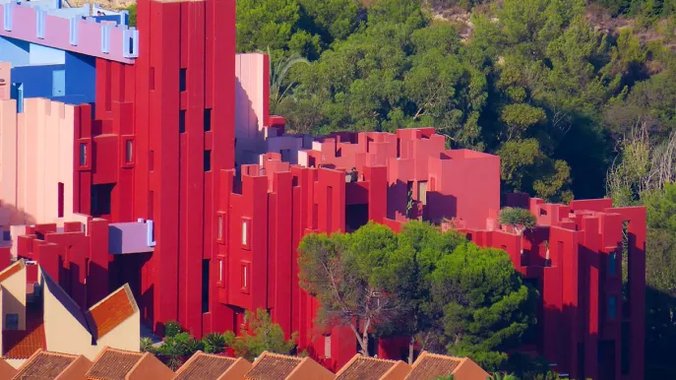
In contemporary architecture, color — together with light — represents one of the most powerful yet delicate resources within the design process. And yet, in the age of digital modeling and increasingly realistic renderings, we risk losing direct perception of the luminous and atmospheric complexity that characterizes reality.
Light and color define atmosphere, influence psychological well-being, and contribute to shaping the sensory identity of built space. However, their behavior is unstable: it changes with latitude, climate, and time of day.
Chromatic Perception: A Matter of Light and Context
A color is never the same. It is the meeting of light, surface, and eye that determines its appearance. The same shade of red, vivid and pulsating under tropical sunlight, may become dull and muted in a northern context or under a cloudy sky.
Even in the same place, color perception changes from morning to evening, as the angle of sunlight and the quality of the sky progressively modulate its tonal value and depth.
The variability of light shapes the way we interpret space, materials, and even our emotional state. In architecture, perceptual quality thus becomes a factor of well-being just as important as energy efficiency or technical functionality.
An iconic example of how color and light can construct the perceptual identity of a place is La Muralla Roja by Ricardo Bofill (Calpe, 1973). Here, the geometric composition of the building merges with the intensity of Mediterranean light, transforming the colored surfaces into an optical labyrinth that changes appearance throughout the day. As highlighted in the blog of LZF Lamps (Building Brilliance: La Muralla Roja – The Red Wall, 2023), Bofill’s color palette — from carmine red to purplish blue — constantly interacts with natural light, generating a spatial and sensory experience in continuous evolution.
When Digital Is Not Enough
Design software and 3D visualization tools offer extraordinary analytical and representational potential; however, they cannot fully reproduce the sensory complexity of real light.
For a project to be genuinely aware, it must once again engage with the physical experience of color. This is where analog experimentation comes into play: testing materials and tones under natural light, observing how color behaves under various weather conditions or at different times of day.
Tools such as the Orchard heliodon — which recreates the sun’s inclination according to latitude — or the Lobelia Mirror Box 8CH — useful for studying the spectral qualities of emitted, reflected, and transmitted light (thanks to the adjustable light spectrum controlled via touchscreen) — make it possible, aided by integrated micro-spectrometers, to evaluate which nuances remain vibrant, balanced, and consistent with the project’s intent even under low-light (few lux) or very bright (up to 10,000 lx) conditions.
Consider, for example, the contexts of Northern Europe, where long periods of overcast skies deeply affect mood and productivity: introducing vivid colors can contribute to well-being, but only if they maintain their intensity even without direct sunlight.
The Symposium as Shared Reflection
These topics will be central to the NAF/NAAR Symposium 2025 – Light and Colour in Architecture, to be held in Trondheim next November. The international meeting aims to explore the role of light and color in contemporary design, fostering dialogue between academic research, experimentation, and professional practice.
https://www.ntnu.edu/light-and-colour-2025/home
The symposium thus represents a valuable opportunity to reaffirm that designing with color means designing the perceptual and psychological quality of inhabited space — restoring centrality to sensory experience in the making of architecture.
Conclusions
Light and color are inseparable in human perception: together they determine not only the appearance of things, but also our emotions, our ability to orient ourselves, and even our sense of comfort.
Bringing the study of color back to the core of the design process means uniting technical knowledge, artistic sensitivity, and attention to well-being. Returning to observe how color behaves in real light — whether under a Nordic sunset or a tropical noon — may be the best way to give architecture back its most human dimension.
Essential Bibliography
- Goethe, J. W. von – Theory of Colours, 1810.
- Itten, Johannes – The Art of Color, Il Saggiatore, Milan.
- Albers, Josef – Interaction of Color, Yale University Press, 1963.
- Norberg-Schulz, Christian – Intentions in Architecture, MIT Press, 1965.
- Pallasmaa, Juhani – The Eyes of the Skin: Architecture and the Senses, Wiley, 2005.
- Holl, Steven; Pallasmaa, Juhani; Pérez-Gómez, Alberto – Questions of Perception: Phenomenology of Architecture, William Stout Publishers, 2006.
- Nordic Association for Architectural Research (NAAR) – Symposium 2025: Light and Colour in Architecture, Trondheim.
Ricardo Bofill (1939–2022)
A Catalan architect of international renown, Ricardo Bofill Levi was one of the most multifaceted and visionary figures of European architecture in the latter half of the 20th century.
In 1963, he founded the Taller de Arquitectura studio in Barcelona, developing a language that combines geometry, historical memory, and chromatic experimentation.
His research constantly moved between utopia and daily living, constructing spaces that evoke both the Mediterranean heritage and the monumentality of classicism reinterpreted through a postmodern lens.
Among his most notable works:
- La Muralla Roja (Calpe, 1973) – an icon of form and color.
- Walden 7 (Sant Just Desvern, 1975) – a labyrinthine residential complex.
- Les Espaces d’Abraxas (Noisy-le-Grand, 1982) – an architectural manifesto of European visionary realism.
Bofill’s work stands out for its ambition to reconcile architecture and life, transforming the built form into a total perceptual experience in which light, color, and geometry become narrative and poetic tools.
Media
-
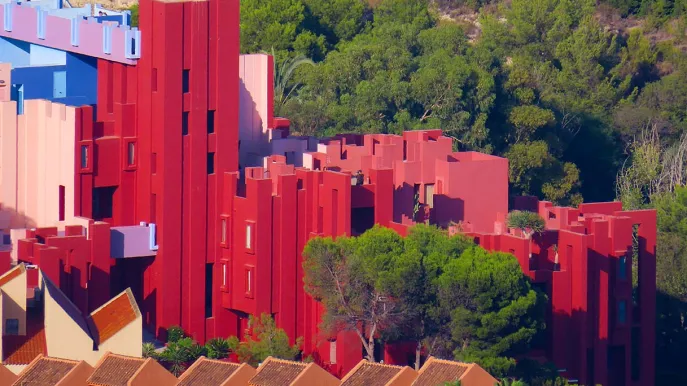 La Muralla Roja is a postmodern residential complex in Manzanera, Calpe, Spain.
Designed by Spanish architect Ricardo Bofill for the client Palomar S.A. in 1968 and completed in 1973, it has been ranked among “the 10 most iconic works of Ricardo Bofill.”
(50.0 KB).
La Muralla Roja is a postmodern residential complex in Manzanera, Calpe, Spain.
Designed by Spanish architect Ricardo Bofill for the client Palomar S.A. in 1968 and completed in 1973, it has been ranked among “the 10 most iconic works of Ricardo Bofill.”
(50.0 KB).
-
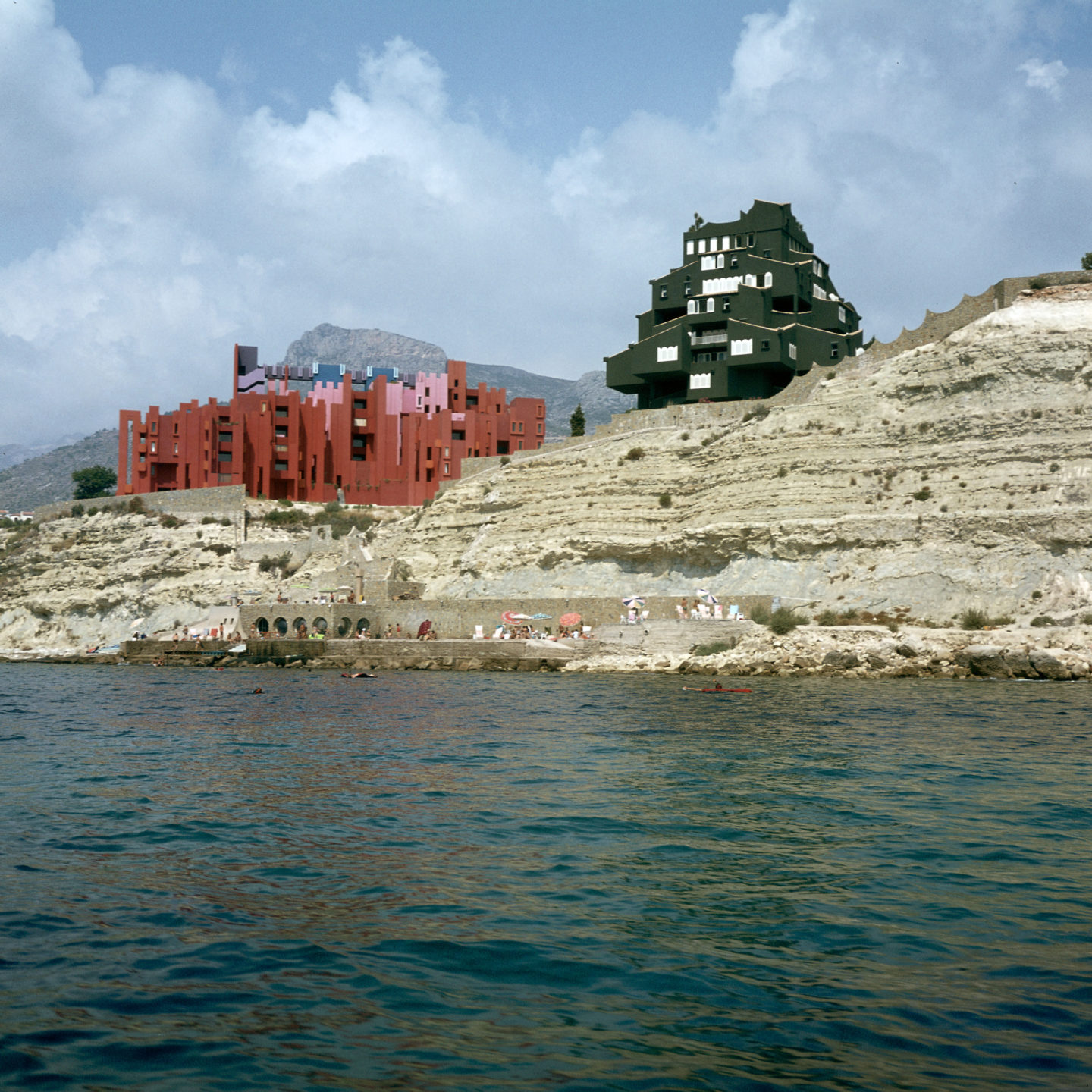 La Muralla Roja is a postmodern residential complex in Manzanera, Calpe, Spain.
Designed by Spanish architect Ricardo Bofill for the client Palomar S.A. in 1968 and completed in 1973, it has been ranked among “the 10 most iconic works of Ricardo Bofill.”
(451.0 KB).
La Muralla Roja is a postmodern residential complex in Manzanera, Calpe, Spain.
Designed by Spanish architect Ricardo Bofill for the client Palomar S.A. in 1968 and completed in 1973, it has been ranked among “the 10 most iconic works of Ricardo Bofill.”
(451.0 KB).
-
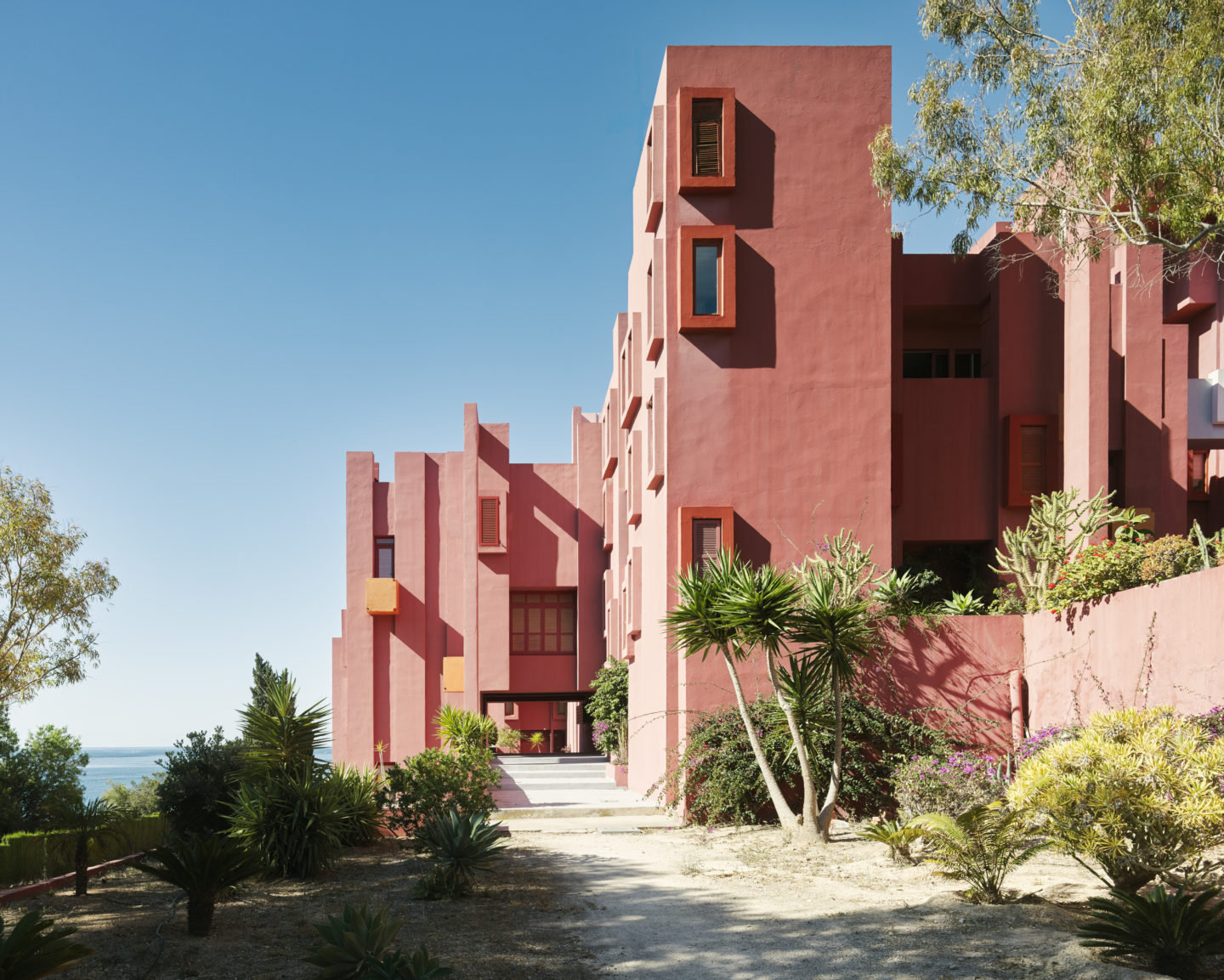 La Muralla Roja is a postmodern residential complex in Manzanera, Calpe, Spain.
Designed by Spanish architect Ricardo Bofill for the client Palomar S.A. in 1968 and completed in 1973, it has been ranked among “the 10 most iconic works of Ricardo Bofill.”
(376.9 KB).
La Muralla Roja is a postmodern residential complex in Manzanera, Calpe, Spain.
Designed by Spanish architect Ricardo Bofill for the client Palomar S.A. in 1968 and completed in 1973, it has been ranked among “the 10 most iconic works of Ricardo Bofill.”
(376.9 KB).
-
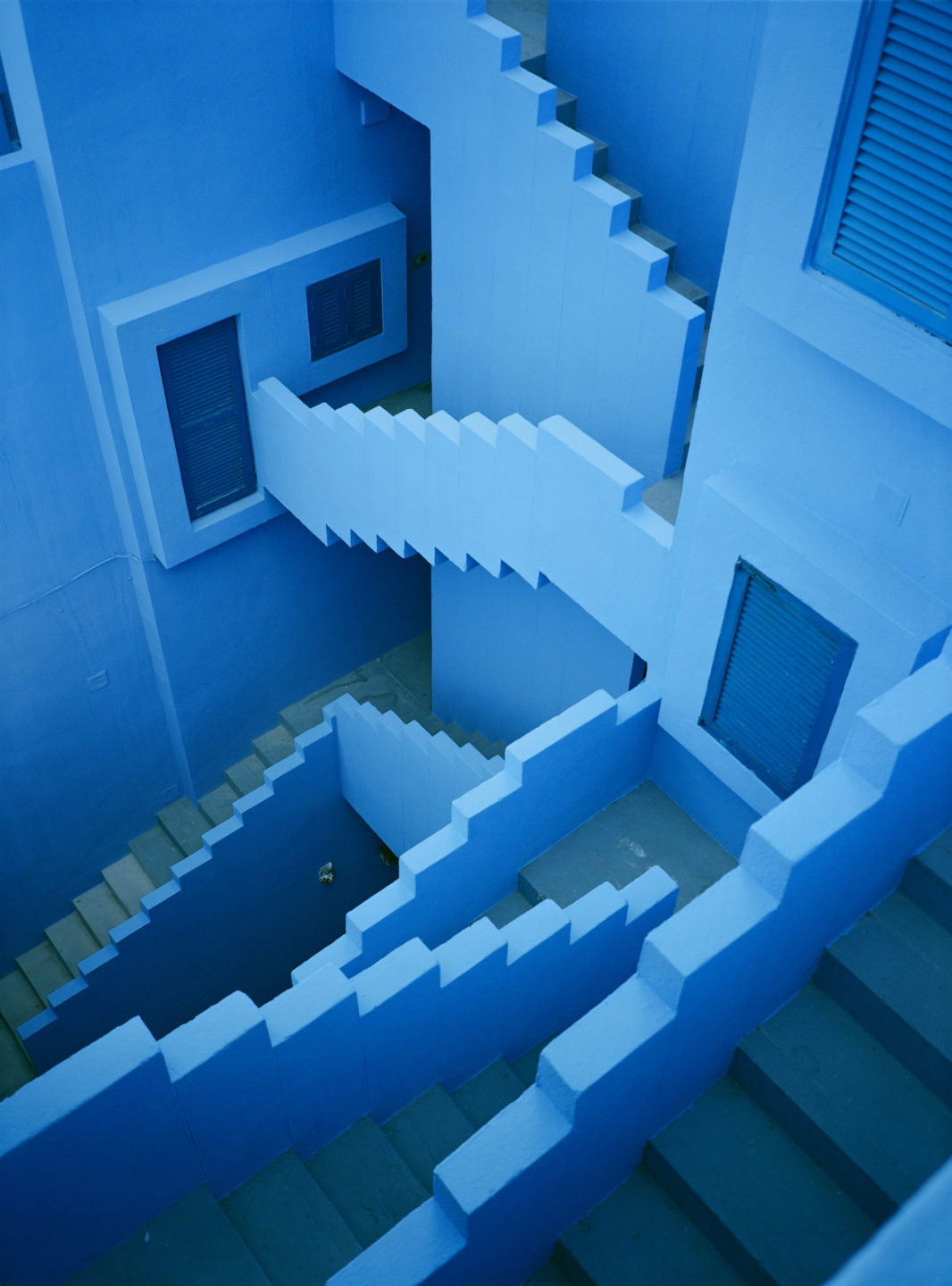 La Muralla Roja is a postmodern residential complex in Manzanera, Calpe, Spain.
Designed by Spanish architect Ricardo Bofill for the client Palomar S.A. in 1968 and completed in 1973, it has been ranked among “the 10 most iconic works of Ricardo Bofill.”
(177.6 KB).
La Muralla Roja is a postmodern residential complex in Manzanera, Calpe, Spain.
Designed by Spanish architect Ricardo Bofill for the client Palomar S.A. in 1968 and completed in 1973, it has been ranked among “the 10 most iconic works of Ricardo Bofill.”
(177.6 KB).
-
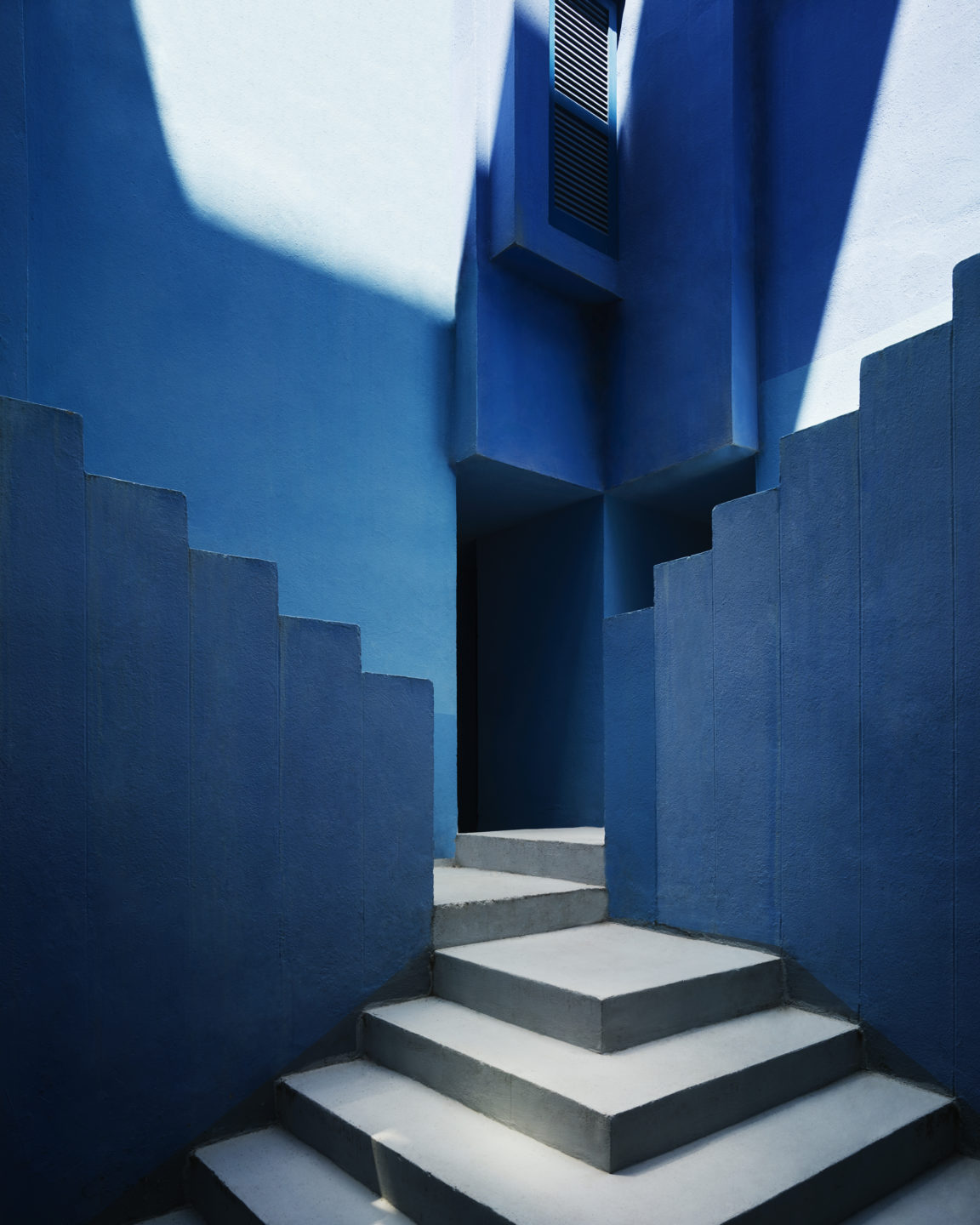 La Muralla Roja is a postmodern residential complex in Manzanera, Calpe, Spain.
Designed by Spanish architect Ricardo Bofill for the client Palomar S.A. in 1968 and completed in 1973, it has been ranked among “the 10 most iconic works of Ricardo Bofill.”
(189.8 KB).
La Muralla Roja is a postmodern residential complex in Manzanera, Calpe, Spain.
Designed by Spanish architect Ricardo Bofill for the client Palomar S.A. in 1968 and completed in 1973, it has been ranked among “the 10 most iconic works of Ricardo Bofill.”
(189.8 KB).
-
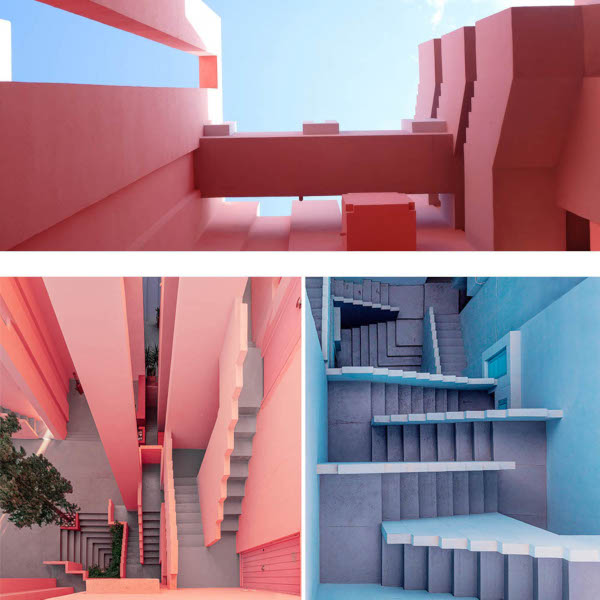 La Muralla Roja is a postmodern residential complex in Manzanera, Calpe, Spain.
Designed by Spanish architect Ricardo Bofill for the client Palomar S.A. in 1968 and completed in 1973, it has been ranked among “the 10 most iconic works of Ricardo Bofill.”
(67.4 KB).
La Muralla Roja is a postmodern residential complex in Manzanera, Calpe, Spain.
Designed by Spanish architect Ricardo Bofill for the client Palomar S.A. in 1968 and completed in 1973, it has been ranked among “the 10 most iconic works of Ricardo Bofill.”
(67.4 KB).
-
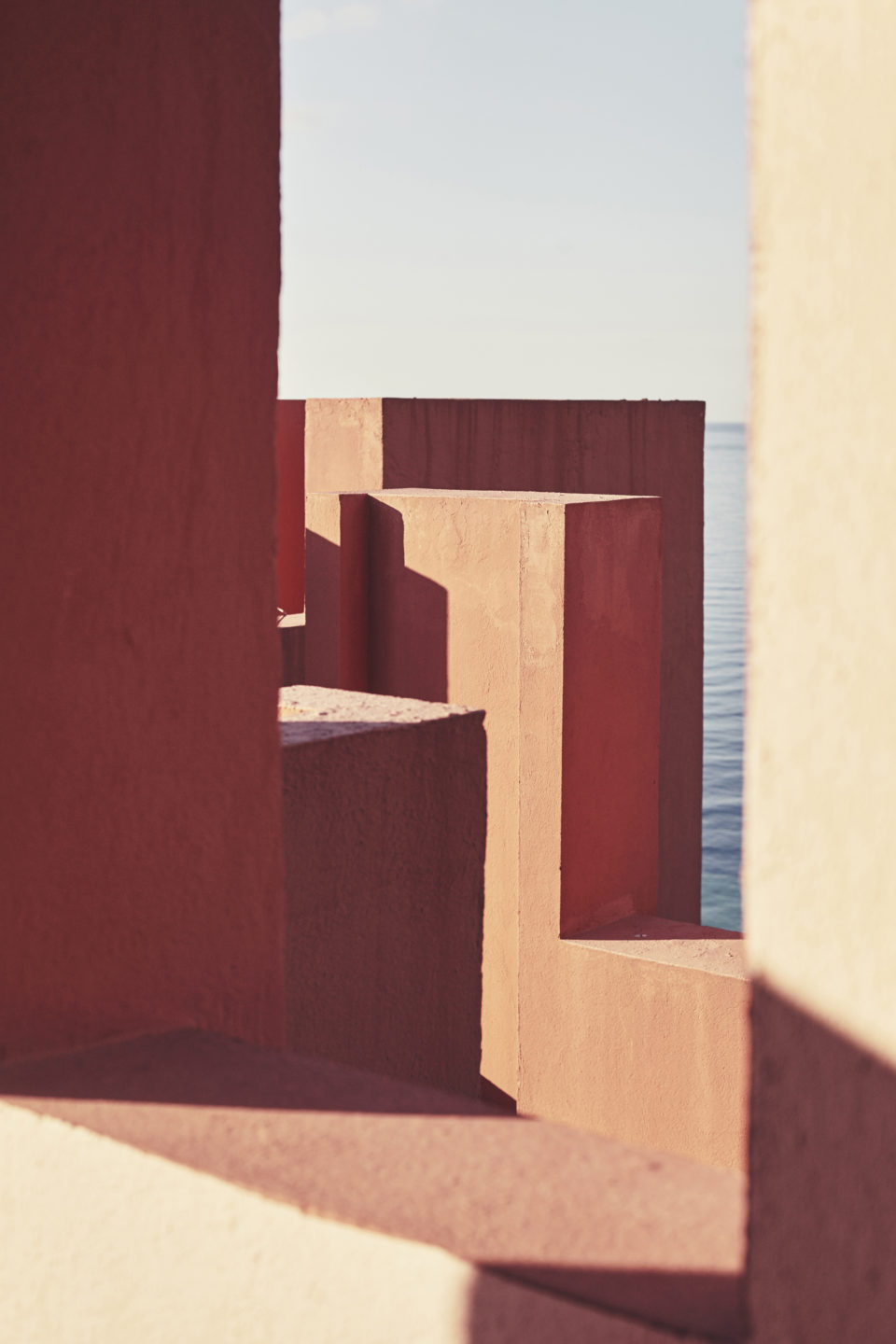 La Muralla Roja is a postmodern residential complex in Manzanera, Calpe, Spain.
Designed by Spanish architect Ricardo Bofill for the client Palomar S.A. in 1968 and completed in 1973, it has been ranked among “the 10 most iconic works of Ricardo Bofill.”
(101.7 KB).
La Muralla Roja is a postmodern residential complex in Manzanera, Calpe, Spain.
Designed by Spanish architect Ricardo Bofill for the client Palomar S.A. in 1968 and completed in 1973, it has been ranked among “the 10 most iconic works of Ricardo Bofill.”
(101.7 KB).
-
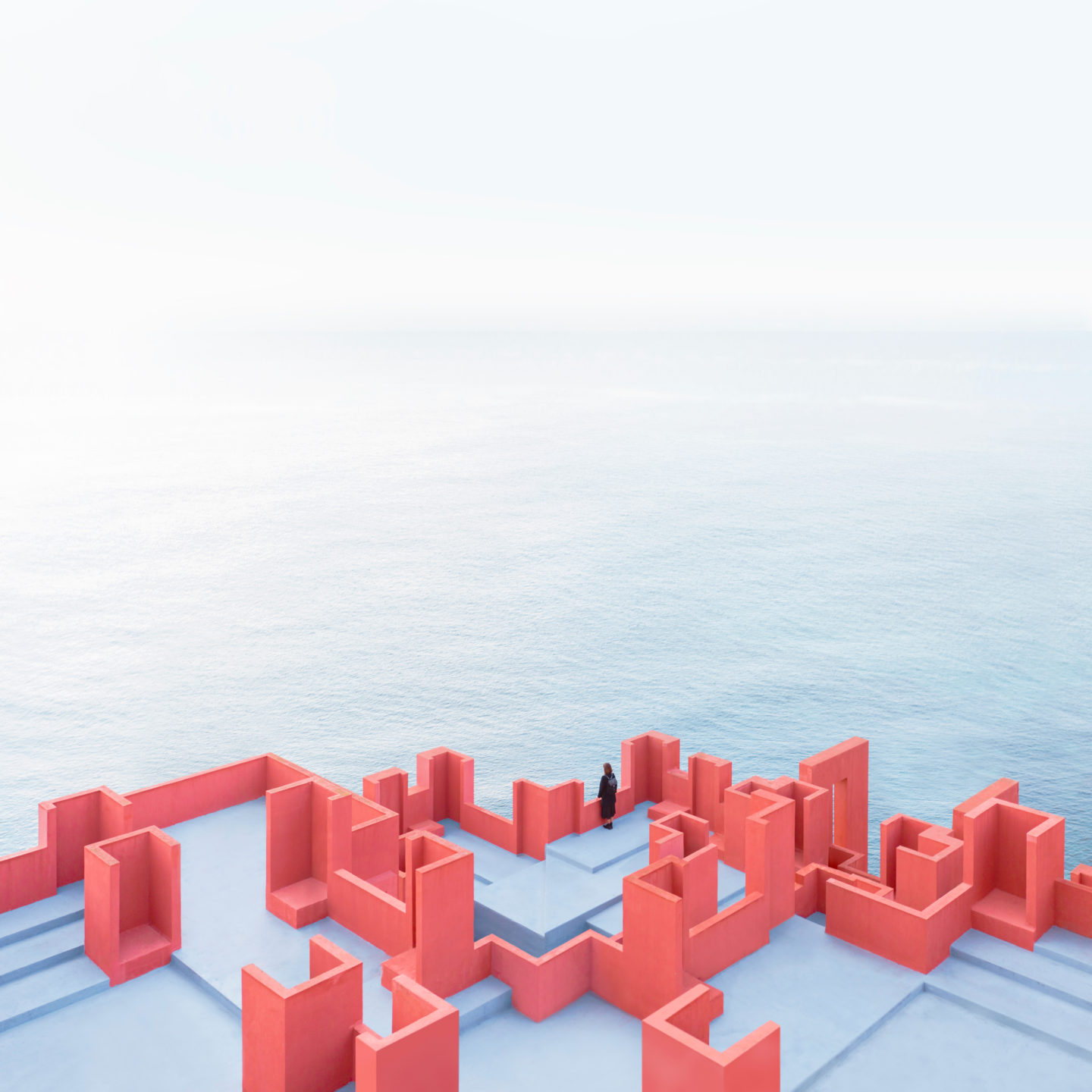 La Muralla Roja is a postmodern residential complex in Manzanera, Calpe, Spain.
Designed by Spanish architect Ricardo Bofill for the client Palomar S.A. in 1968 and completed in 1973, it has been ranked among “the 10 most iconic works of Ricardo Bofill.”
(180.3 KB).
La Muralla Roja is a postmodern residential complex in Manzanera, Calpe, Spain.
Designed by Spanish architect Ricardo Bofill for the client Palomar S.A. in 1968 and completed in 1973, it has been ranked among “the 10 most iconic works of Ricardo Bofill.”
(180.3 KB).
-
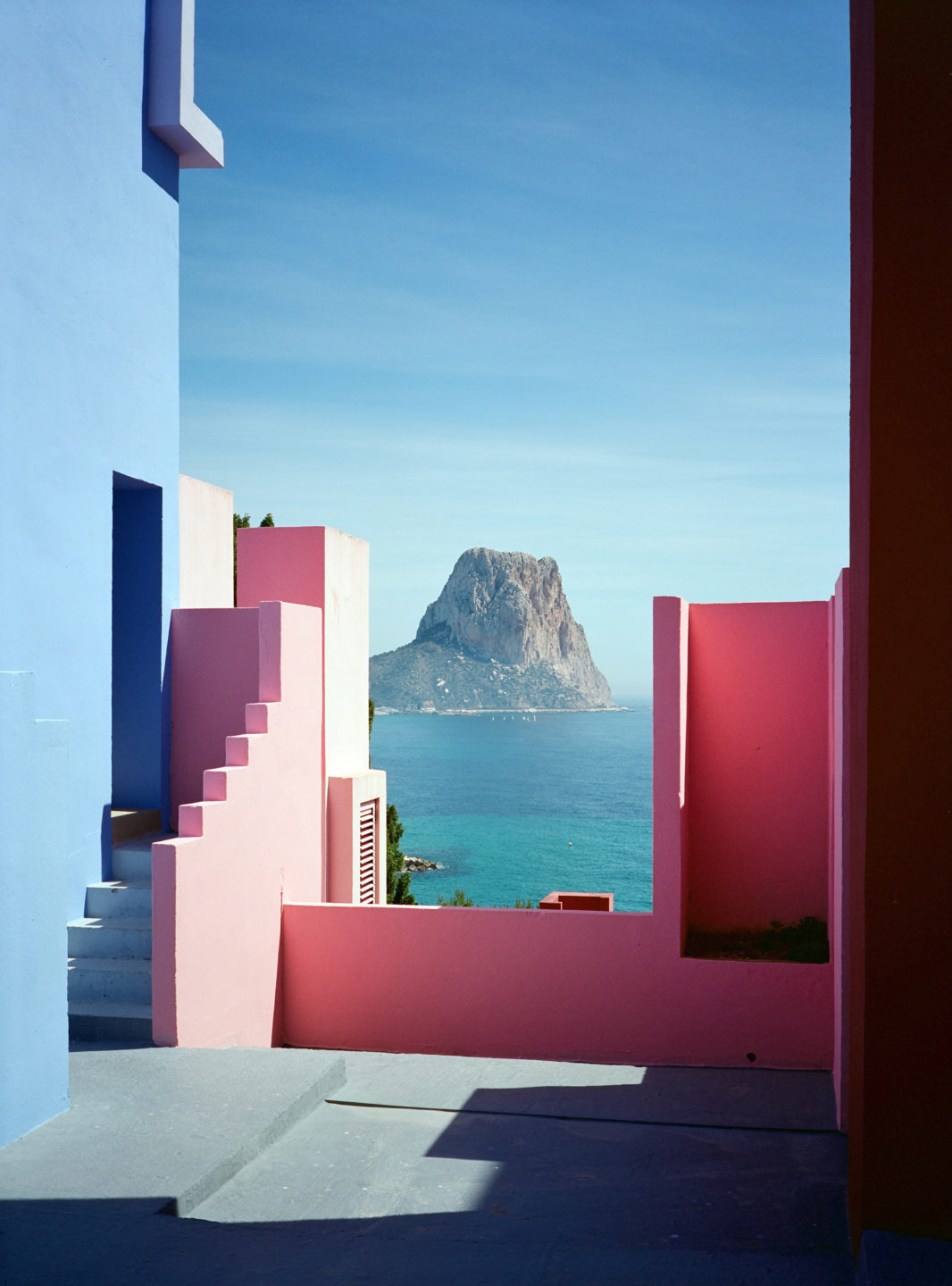 La Muralla Roja is a postmodern residential complex in Manzanera, Calpe, Spain.
Designed by Spanish architect Ricardo Bofill for the client Palomar S.A. in 1968 and completed in 1973, it has been ranked among “the 10 most iconic works of Ricardo Bofill.”
(166.0 KB).
La Muralla Roja is a postmodern residential complex in Manzanera, Calpe, Spain.
Designed by Spanish architect Ricardo Bofill for the client Palomar S.A. in 1968 and completed in 1973, it has been ranked among “the 10 most iconic works of Ricardo Bofill.”
(166.0 KB).
Documents
-
, 4.9 MB, These topics will be central to the **NAF/NAAR Symposium 2025 – Light and Colour in Architecture**, to be held in Trondheim next November. The international meeting aims to explore the role of light and color in contemporary design, fostering dialogue between academic research, experimentation, and professional practice..
Contact
betanit.com
Phone: +39 0523 650217
email: info@betanit.com