From Physical Models to Integrated Design: The Lesson of Google Bay View and Betanit’s Thought
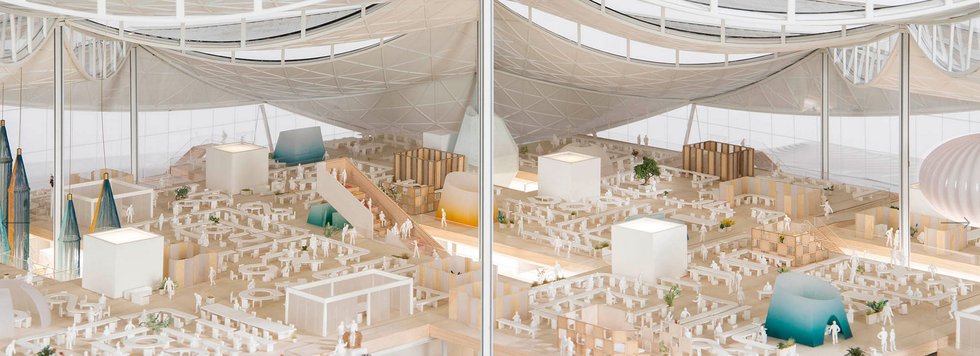
1. Introduction – The Model as a Tool for Knowledge
In architecture, building models is not just a way to represent an idea but to test, question, and understand it.
Betanit has always believed that the modeling phase — whether physical or digital — is where theory meets practice, where the project takes shape and begins to dialogue with reality.
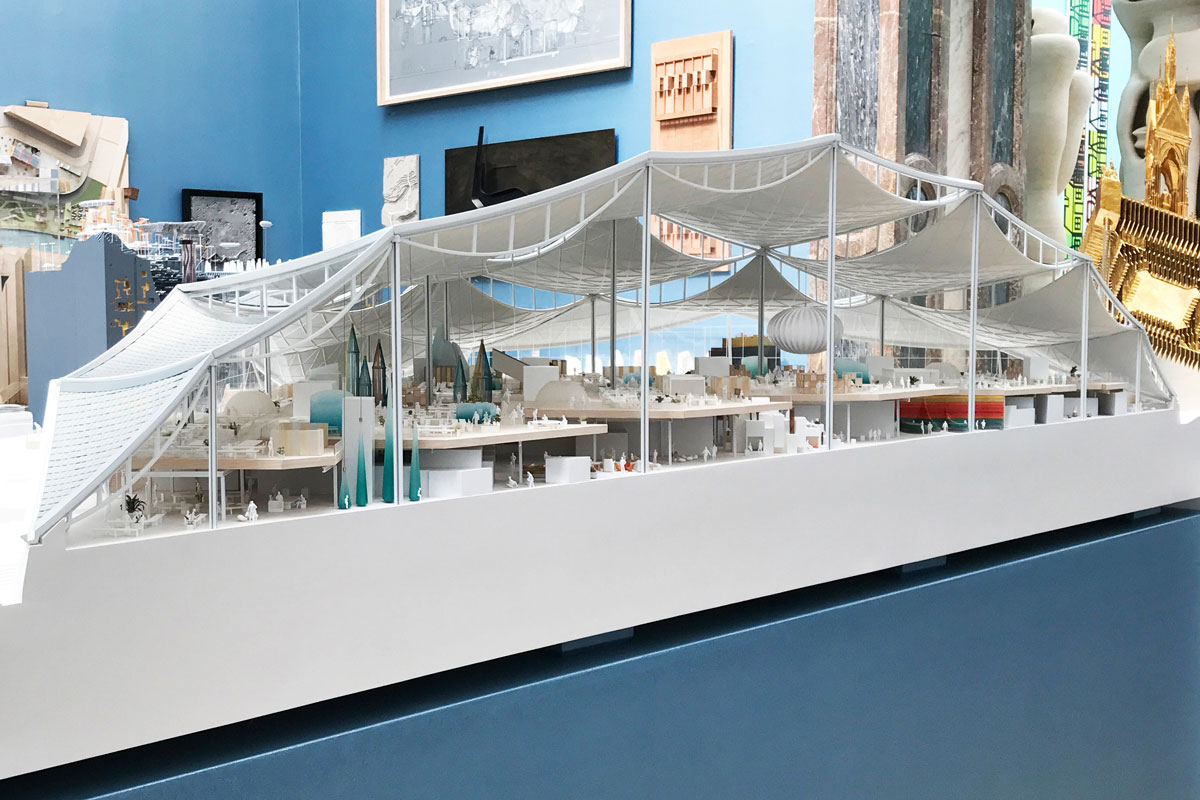
Today, examples like Google Bay View show how current this approach remains: even the world’s most technological companies feel the need to create full-scale and scale-down models to validate their design choices.
Architecture thus returns to being an experimental laboratory, where the model becomes a tool for shared thinking.
2. Google Bay View: Technology and Human Sensitivity
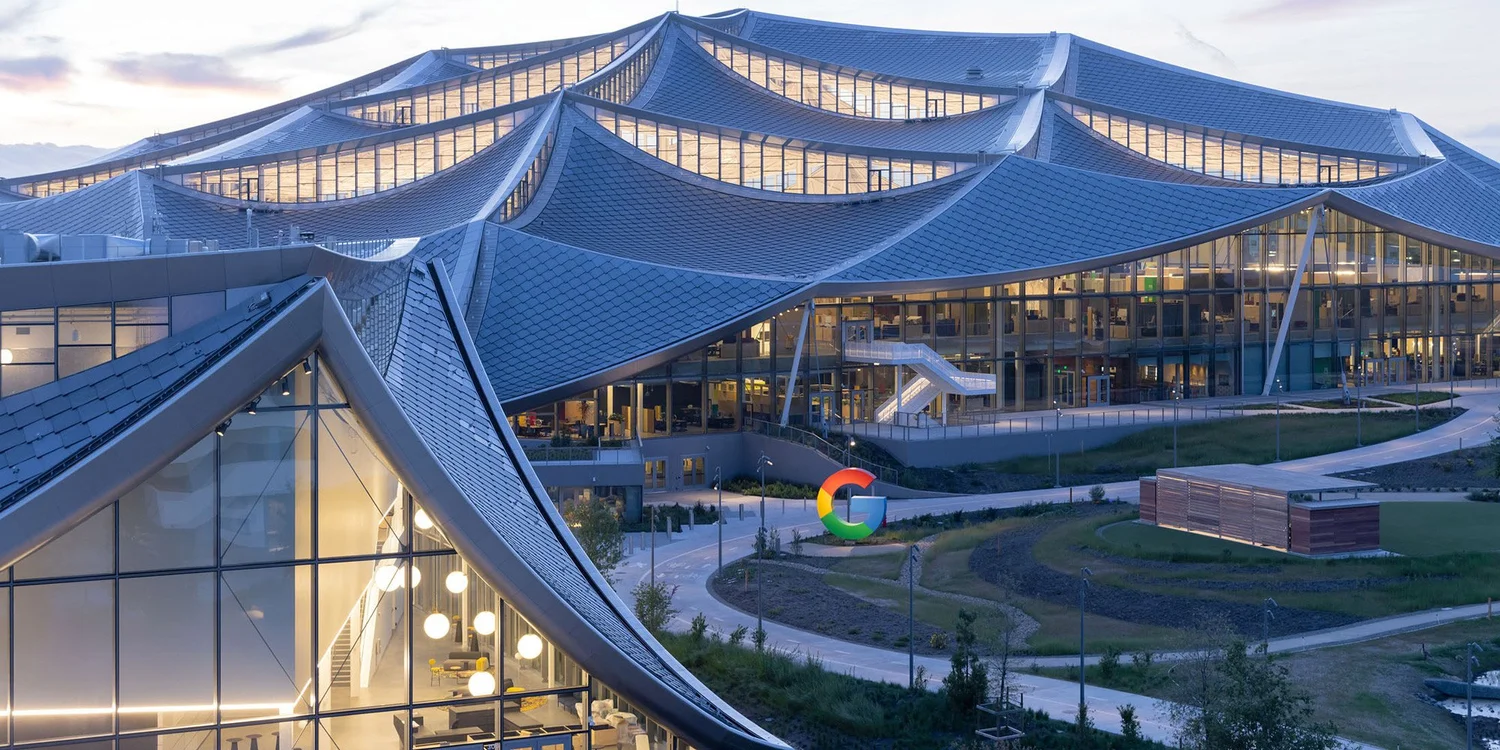
The campus, designed by BIG – Bjarke Ingels Group and Heatherwick Studio, under the guidance of Michelle Kaufmann and Asim Tahir, represents an evolution in how we conceive the workspace.
Google’s teams built physical and digital models to understand how light, climate, and acoustics behave, even constructing some parts at a 1:1 scale to test real human comfort.
🔗 The first campus built by Google | Bay View and Charleston East – Video
This process reflects a design method that Betanit deeply shares: an experimental, iterative, and interdisciplinary approach in which the project evolves through continuous testing, observation, and collaboration among different minds and skills.
3. Physical Models and Digital Simulations: A Necessary Dialogue
In Betanit’s lab, the sun and the sky truly enter on a small scale: simulators reproduce natural light in miniature, allowing us to observe how it interacts with form and material.
Unlike purely digital simulations, these experiments provide a real physical understanding of light and matter.
The Betanit simulators, used in companies, architecture studios, and universities, let future professionals confront the physics of light directly.
This transforms scientific knowledge into tangible experience, balancing technical rigor with perceptive sensitivity.
4. Science, Knowledge, and Enthusiasm
Every project begins with an act of enthusiasm — the curiosity to understand, improve, and create something meaningful.
But enthusiasm and science must advance together: without knowledge, we risk improvisation; without enthusiasm, we lose innovation.
The case of Google Bay View shows how experimentation and the integration of diverse disciplines can generate results that combine beauty, functionality, and sustainability.
5. Conclusion
In architecture and engineering, the future belongs not only to technology but to how knowledge becomes experience.
Betanit will continue promoting this vision: design as an experimental and collaborative process where physical models, real simulators, and digital tools coexist to create more conscious, sustainable, and human buildings.
Science and knowledge walk hand in hand with enthusiasm — only by merging these three can true innovation emerge.
Direct Experiences and Perceptions
-
Michelle Kaufmann, head of R&D for the project, explained in an interview with Fast Company that Bay View was designed to help people feel connected to nature and to each other. Many employees have expressed appreciation for the natural light, open views, and fresh air that together create a general feeling of well-being.
(Source: Fast Company – “Inside Google’s new Bay View campus”, 2022) -
In the official Google Blog (“Inside the Google Bay View Campus,” May 2022), several Googlers describe the spaces as calm, bright, and welcoming, emphasizing the serenity and openness conveyed by the design and sustainable materials used.
-
According to Bloomberg (2022), early employee feedback highlighted the comfort provided by adjustable work zones and immediate access to outdoor spaces, elements that enhance concentration and productivity.
-
Architectural Record and Dezeen also noted that users perceive the campus as less corporate and more human than traditional offices, thanks to the generous light canopies and quiet areas promoting a calm and collaborative work environment.
Fonti e approfondimenti
- Google Blog – Inside the Google Bay View Campus (2022)
- Fast Company – Inside Google’s new Bay View campus (2022)
- Dezeen – BIG and Heatherwick complete Google’s first-ever ground-up campus (2022)
- Architectural Record – Google’s Bay View Campus by BIG and Heatherwick Studio (2022)
- Bloomberg – Googlers Praise Light-filled, Flexible Bay View Campus (2022)
These testimonies show how Google Bay View is perceived not only as a technological workplace but also as a natural, comfortable, and collaborative environment.
Official Sources
- Google Bay View | Real Estate & Workplace Services – Official page with project overview, sustainability data and architectural features.
- BIG – Bjarke Ingels Group – Project details, design philosophy and insights from the design team.
- Heatherwick Studio – Project presentation and conceptual information.
- Google Blog – Behind the Design of Bay View – Article explaining the innovation process and architectural strategies.
Media
-
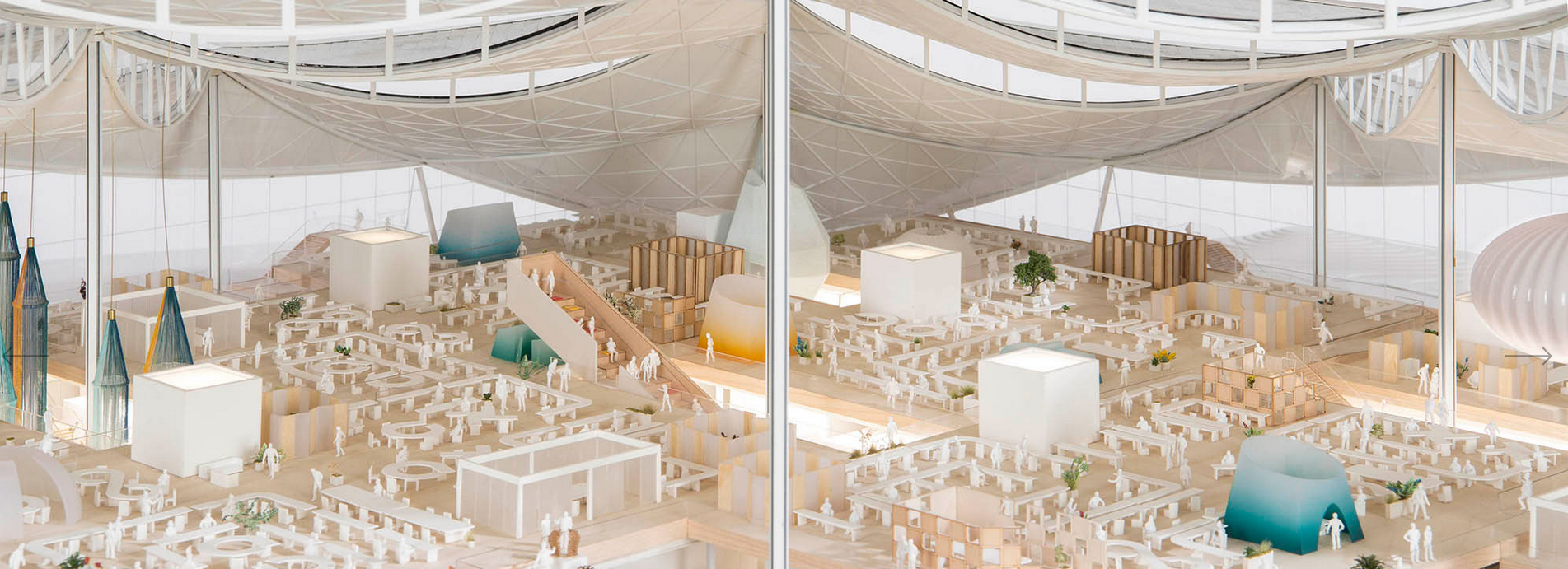 Heatherwick Studio _ Design & Architecture _ Google Bay View
(2.5 MB).
Heatherwick Studio _ Design & Architecture _ Google Bay View
(2.5 MB).
-
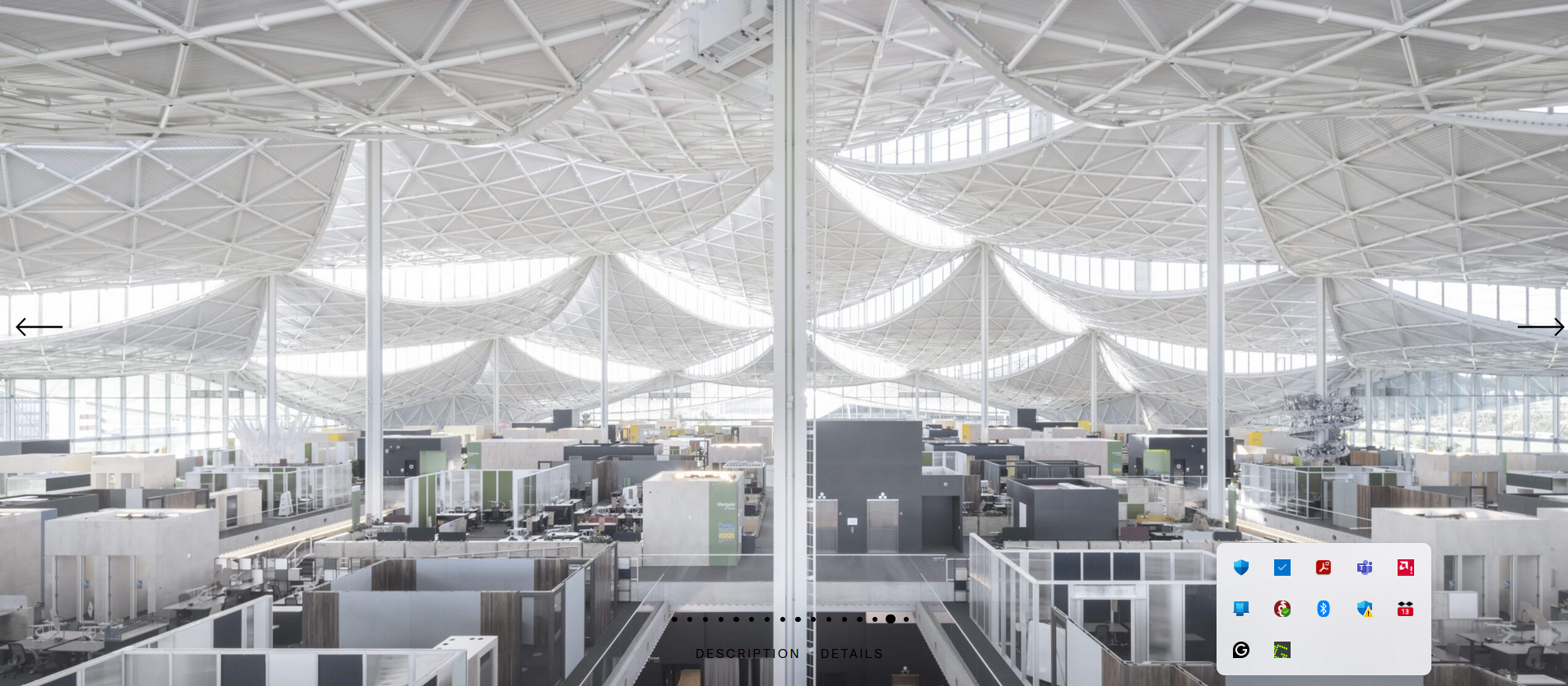 Heatherwick Studio _ Design & Architecture _ Google Bay View
(2.6 MB).
Heatherwick Studio _ Design & Architecture _ Google Bay View
(2.6 MB).
-
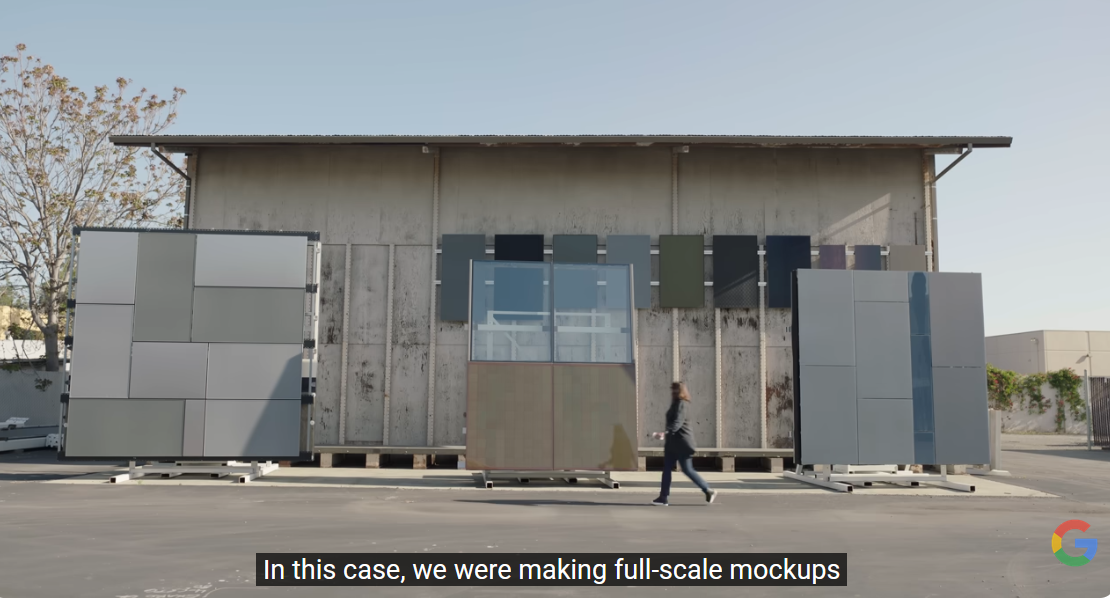 Heatherwick Studio _ Design & Architecture _ Google Bay View
(638.4 KB).
Heatherwick Studio _ Design & Architecture _ Google Bay View
(638.4 KB).
-
 Heatherwick Studio _ Design & Architecture _ Google Bay View
(251.8 KB).
Heatherwick Studio _ Design & Architecture _ Google Bay View
(251.8 KB).
-
 Heatherwick Studio _ Design & Architecture _ Google Bay View
(395.5 KB).
Heatherwick Studio _ Design & Architecture _ Google Bay View
(395.5 KB).
-
 Heatherwick Studio _ Design & Architecture _ Google Bay View
(186.2 KB).
Heatherwick Studio _ Design & Architecture _ Google Bay View
(186.2 KB).
Contact
betanit.com
Phone: +39 0523 650217
email: info@betanit.com