The Heliodon Orchard at the Technological University of Peru (UTP) Nuevo Chimbote
Interview with Professor Karina Rivadeneira Huaroto, Architect
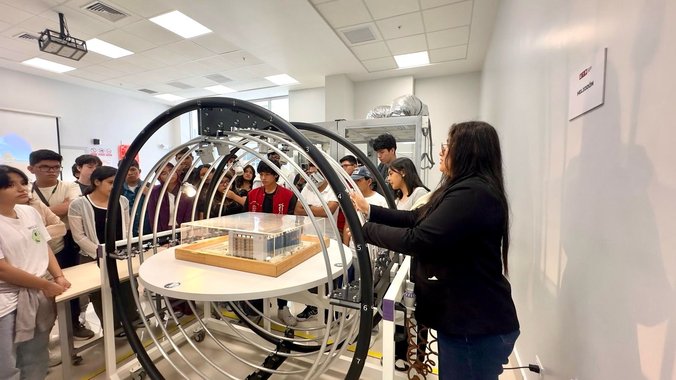
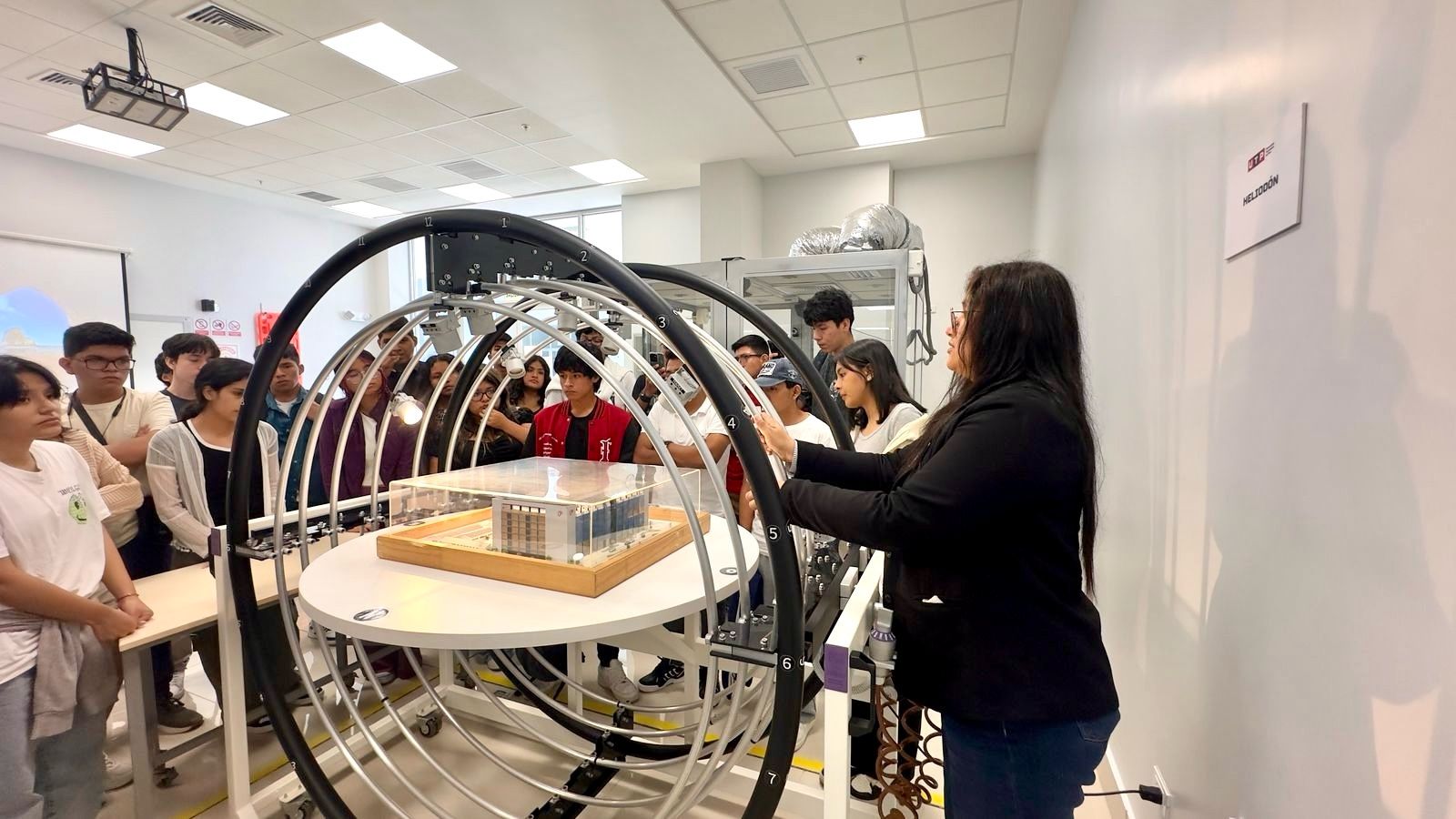
At the Faculty of Architecture of the Technological University of Peru (UTP) Nuevo Chimbote, Professor Karina Rivadeneira Huaroto uses the Heliodon Orchard as a teaching tool in the Architectural Design Studio II course .
The main goal of this activity is for students to understand how sunlight behaves in relation to the orientation and morphology of their projects.
“Through the Heliodon we can verify the path of the sun in relation to the north of the project — explains Professor Rivadeneira — and understand how light filters are generated. This allows students to identify which areas should be more covered, especially those intended for rest.”
Skills and Design Approach
The Heliodon experience helps students develop multidisciplinary skills and a more conscious design approach.
Key learnings include:
- Environmental analysis – understanding how sunlight affects routes and gathering areas;
- Responsive design – improving user comfort and orientation;
- Critical thinking – based on experimental evidence and direct observation;
- Design communication – clearly and coherently explaining design decisions.
The Laboratory as a Space for Discovery
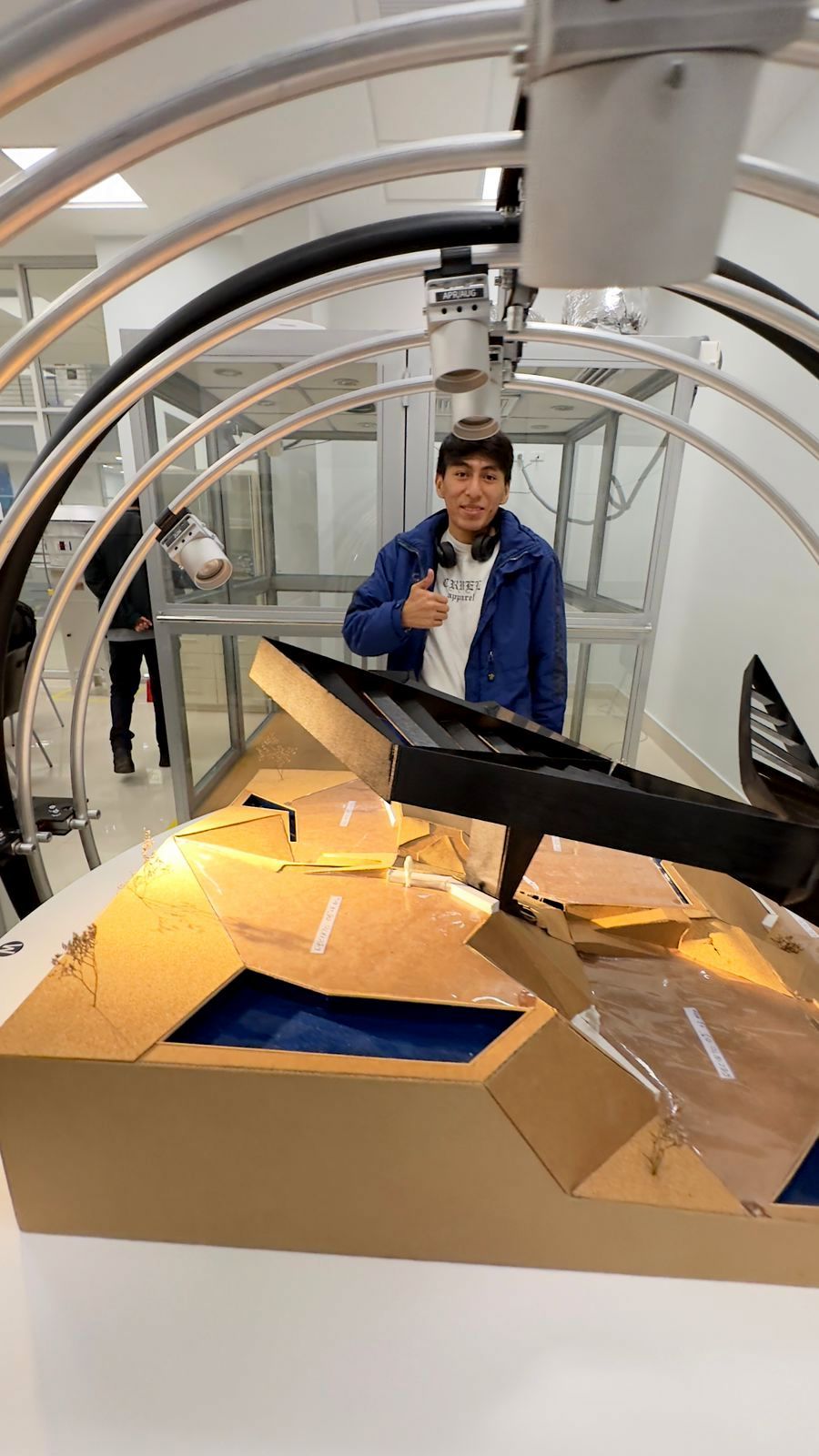
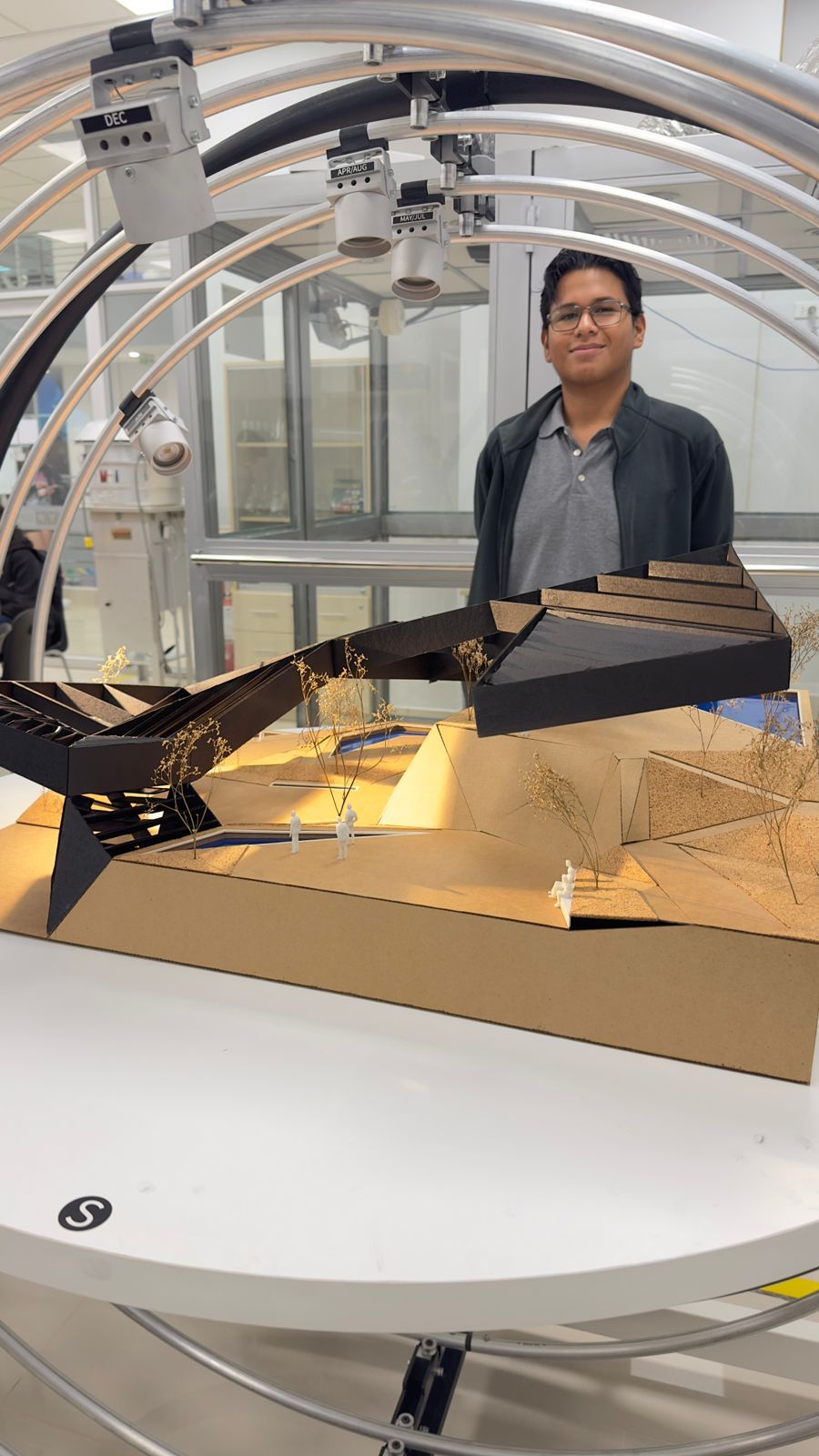
In the university laboratory, students present physical models of their porous roofs: light structures composed of lattices of thin and deep beams that filter light and create different degrees of shade.
The models, inspired by the topographic variations of the landscape, are analyzed on the Heliodon table to verify how natural light strikes different parts of the project throughout the day and across the seasons.
“What students experience during the Heliodon test is something they don’t forget. They learn by observing their own model and those of their classmates. It’s a shared, concrete, and very effective learning experience.”
Integration with Digital Teaching
In the second-cycle courses, 3D modeling is not yet a central part of the program. The Heliodon, therefore, offers a unique opportunity to physically and immediately explore the relationship between form, orientation, and light.
At more advanced levels, students gradually move toward digital simulation, but direct experience with the Heliodon remains an irreplaceable foundation for understanding solar behavior principles.
The Value of the Peruvian Context
Peru’s climatic and cultural diversity provides an ideal setting for studying natural light.
“Our geographical diversity — coast, highlands, and jungle — produces very different light intensities and solar angles. This forces us to design with shadows, ventilation, and light control in mind,” says the professor.
She emphasizes that Peruvian architecture has a deep connection with natural light, from pre-Hispanic open courtyards to contemporary interpretations:
“In our culture, light is not just a technical element; it’s a way to orient, protect, and give identity to spaces.”
Results and Future Perspectives
The use of the Heliodon Orchard has been enthusiastically received by UTP students, who value its practical and experimental dimension.
Professor Rivadeneira highlights its effectiveness as a creative support tool and as a means to understand complex concepts of lighting and visual comfort.
“I would recommend that all universities include the Heliodon in more courses devoted to the study of light and the sun. It’s an experience that transforms the way of thinking and designing.”
Conclusion
The experience at the Technological University of Peru shows that the Heliodon Orchard is not only a technical simulation device but also a powerful educational tool that promotes project reflection and sensitivity to natural light.
By integrating teaching, experimentation, and local context, this methodology turns the study of architecture into an exercise in environmental awareness and creativity.
Technological University of Peru (UTP)
A private university based in Lima, with campuses in several cities across the country, including Nuevo Chimbote. It is part of the Intercorp educational group, known for its focus on technology, innovation, and professional development. UTP offers undergraduate, technical, and graduate programs in engineering, management, design, and communication, emphasizing practical, market-oriented training..
Architect Karina Rivadeneira Huaroto
Professor at the UTP, with training in architecture and extensive academic and professional experience. She teaches and researches architectural design, sustainability, and innovation in the built environment, promoting a practical and interdisciplinary approach to architectural education.
Media
-
 The Heliodon Orchard at the Technological University of Peru (UTP) Nuevo Chimbote course of Architectural Design Studio II
(182.7 KB).
The Heliodon Orchard at the Technological University of Peru (UTP) Nuevo Chimbote course of Architectural Design Studio II
(182.7 KB).
-
 The Heliodon Orchard at the Technological University of Peru (UTP) Nuevo Chimbote course of Architectural Design Studio II
(153.1 KB).
The Heliodon Orchard at the Technological University of Peru (UTP) Nuevo Chimbote course of Architectural Design Studio II
(153.1 KB).
-
 The Heliodon Orchard at the Technological University of Peru (UTP) Nuevo Chimbote course of Architectural Design Studio II
(167.3 KB).
The Heliodon Orchard at the Technological University of Peru (UTP) Nuevo Chimbote course of Architectural Design Studio II
(167.3 KB).
-
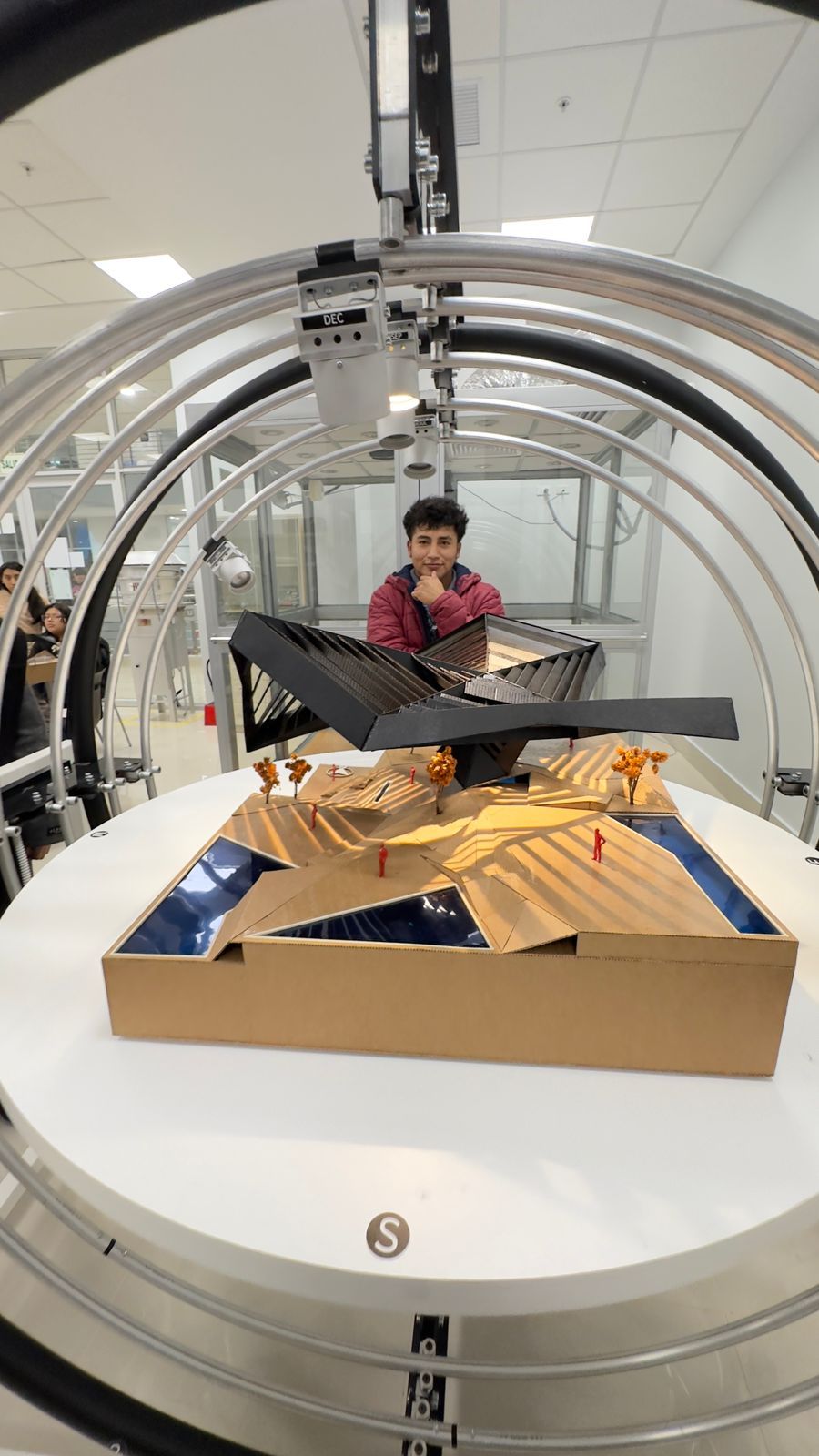 The Heliodon Orchard at the Technological University of Peru (UTP) Nuevo Chimbote course of Architectural Design Studio II
(157.8 KB).
The Heliodon Orchard at the Technological University of Peru (UTP) Nuevo Chimbote course of Architectural Design Studio II
(157.8 KB).
-
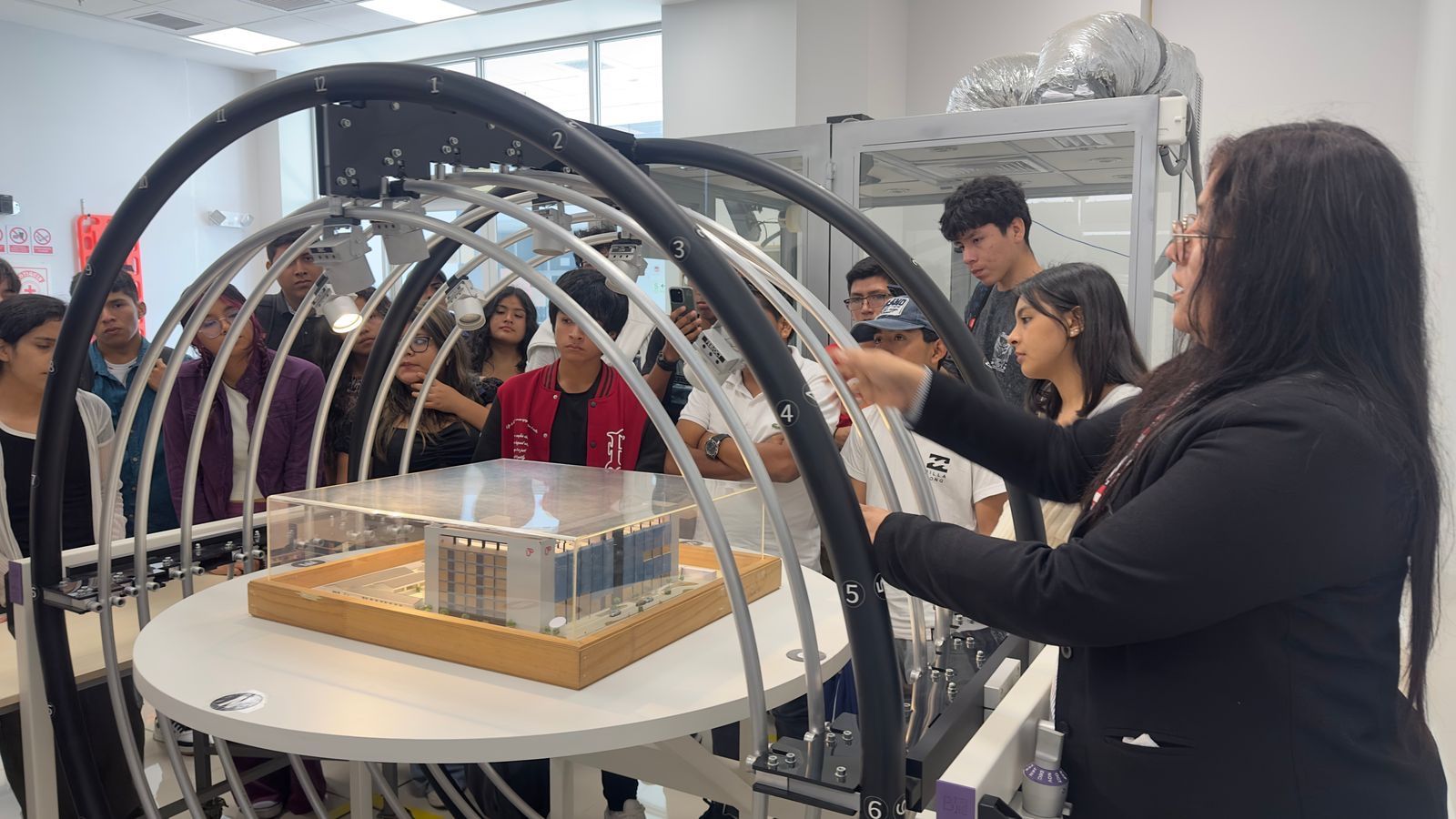 The Heliodon Orchard at the Technological University of Peru (UTP) Nuevo Chimbote course of Architectural Design Studio II
(191.9 KB).
The Heliodon Orchard at the Technological University of Peru (UTP) Nuevo Chimbote course of Architectural Design Studio II
(191.9 KB).
Documents
-
, 7.3 MB, The Heliodon Orchard at the Technological University of Peru (UTP) Nuevo Chimbote course of Architectural Design Studio II.
Contact
betanit.com
Phone: +39 0523 650217
email: info@betanit.com