Bioclimatic Architecture, Natural Light, and Design in UTP
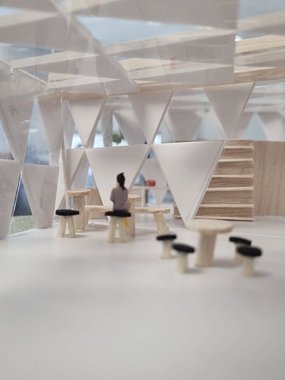
Conversation with Rubén Paredes, lecturer at the Universidad Tecnológica del Perú
Interview conducted by Micaela Barbieri for Nitter-Beta Nit
At the Universidad Tecnológica del Perú (UTP), Chiclayo campus, architect Rubén Paredes works from a simple yet fundamental principle: observing how sunlight shapes space.
In his course on Architectural Technology, the Heliodon — an instrument that reproduces the apparent movement of the sun — has become a small didactic revolution. We spoke with him about light, teaching, and new projective awareness.
In which course or subject do you use the Heliodon?
We currently use it in the Architectural Technology courses.
What is the main objective of the Heliodon activity for your students?
The main objective is for students to internalize that bioclimatic design requires understanding the dynamism of solar movements in order to generate efficient strategies for openings and enclosures. I want them to stop thinking of architecture as static and start designing spaces that perform well in every season of the year—in essence, an architecture coherent with its surroundings and responsible toward its users.
What concrete skills do students acquire thanks to the use of the Heliodon?
They acquire spatial and environmental analysis competencies. Specifically, they can predict, visualize, and calculate solar paths, sunlight incidence, and the shadows projected by their architectural volumes at any time of the year. The use of the Heliodon also allows them to make tangible concepts such as the angle of inclination and solar azimuth.
Could you briefly describe a typical activity or project carried out with this instrument?
The central exercise involves developing the preliminary design of a single-family house. Students must propose and justify passive climate-control strategies based on Givoni’s bioclimatic diagram. The Heliodon becomes the physical testing tool where they can demonstrate whether their proposal performs optimally throughout the different seasons of the year.
In the history of bioclimatic design, tools such as Olgyay’s Bioclimatic Chart, Givoni’s Diagram, and Norbert Lechner’s Heliodon-based methods represent a progressive evolution of the same project-based thinking.
In the 1950s, Victor Olgyay’s Bioclimatic Chart first related climate and human physiological well-being, defining the comfort zone and the natural corrective strategies required to maintain it.
A few decades later, Baruch Givoni shifted the focus from the individual to the building, transforming those climatic relationships into a psychrometric diagram that guides designers in selecting the most effective passive strategies — ventilation, thermal mass, or shading.
More recently, Norbert Lechner, with Heating, Cooling, Lighting: Design Methods for Architects, simplified and operationalized these concepts through a didactic approach that connects climatic data, natural light, and architectural solutions, making them applicable from the earliest project phases.
In what way does this practical experience influence students’ design decisions (orientation, glass type, shading devices, materials)?
The experience is eye-opening for them. It allows them to become aware, through direct experimentation, that architecture must respond to a variable climatic reality. In the context of Chiclayo, where I live and teach, factors such as direct solar exposure, strong winds, and a lack of vegetation play a decisive role. Seeing these conditions through the Heliodon helps students make critical decisions about optimal orientation, openings, overhang sizing, use of latticework, and material selection.
How do you integrate the use of the Heliodon with theoretical teaching and 3D modeling?
We implement a physical and digital workflow. The project requires both a virtual and a physical model. Students first develop the three-dimensional design and simulate the solar path using specialized software, and later take the physical model to the lab to test and verify that theoretical data directly with the Heliodon.
Do you use digital simulation tools in parallel? If so, how do you compare or integrate the physical and digital results?
Yes, as mentioned, we conduct a cross-validation exercise. We ask students to perform the shadow and solar path analysis first on digital models. Then we compare those virtual results with the physical behavior observed using the Heliodon. This comparison strengthens their confidence in both tools.
Are there particular cultural or climatic aspects of Peru that influence the activities related to daylighting?
Absolutely. Peru has enormous microclimatic diversity. On the northern coast, particularly in Chiclayo, we deal with a warm climate that intensifies during summer due to our proximity to the Equator. In addition to radiation, we must also consider wind direction and strength, which tend to be strong and constant in our region. Finally, the coastal breeze, depending on the site’s location, becomes a crucial factor in defining ventilation and daylighting strategies.
In the Southern Hemisphere, the apparent path of the sun is “reversed” compared with the Northern Hemisphere: the sun is in the north rather than the south. Consequently, north-facing façades receive the most direct radiation, while those facing south receive softer, indirect light. This simple yet essential fact shows that bioclimatic design principles must always adapt to each geographic and climatic context.
Study experiences abroad give students the opportunity to directly confront these differences, discovering how climate, solar orientation, and the built environment influence not only project decisions but also how we read and inhabit spaces.
In an increasingly interconnected and globalized world, designing means understanding that spaces will be inhabited by people with diverse cultures, habits, and environmental perceptions. Recognizing and valuing this diversity — climatic, cultural, and human — is an essential part of the environmental and social awareness that defines contemporary design.
Have you ever worked with a full-scale model or partial model under real sunlight and open sky?
Not yet. University teaching guidelines recommend prioritizing the development of these practical sessions in controlled classroom and lab environments.
Has the use of the Heliodon encouraged collaborations with other departments, universities, or companies?
Currently, the faculty’s dynamic focuses on internal academic work, so we have not yet explored inter-institutional collaborations based on the use of this tool.
Do you foresee future developments in daylighting education within your faculty?
No official plans have been communicated. The evolution and expansion of these methodologies depend on the university’s future planning and strategic priorities. From the academic side, there is always a willingness to innovate.
What are the most frequent student reactions to the practical experience?
The response is overwhelmingly positive and full of wonder. The greatest impact occurs when they visually and tangibly realize the solar path throughout the year and see in real time how that factor transforms and directly influences the spatial quality of their own architectural design.
Have you encountered any difficulties or limitations in using the Heliodon? How did you overcome them?
The main limitation tends to be logistical, as the protocol suggests a lab technician should operate the equipment. However, when the technician is not available, we turn the situation into an opportunity — I take charge of the instrument myself and encourage students to handle it directly. This makes the learning experience far more participative and engaging.
Would you like to share any advice for other universities or instructors who wish to use the Heliodon?
My main advice is to promote ongoing training to make the most of the tool’s potential. Additionally, it would be ideal to create outreach opportunities (talks or workshops) about sunlight and bioclimatic design for instructors from other design courses. The goal should be to make climatic awareness a transversal axis in architectural education, not isolated to just a couple of technology classes.
The experience shared by Professor and Architect Rubén Paredes demonstrates how sustainability can become a true laboratory for spatial and climatic awareness.
Whether in a classroom in Chiclayo, a lab in Milan, or an international workshop, the Heliodon and digital tools are not just technical devices: they are didactic bridges between hemispheres, cultures, and generations of designers.
A continuous dialogue between latitudes, where learning to read the sun ultimately becomes a way of learning to read the world.
“I want them to stop thinking of architecture as static and start designing spaces that perform adequately in all seasons of the year — in essence, an architecture coherent with its context and responsible toward its users.”
“When the technician is unavailable, we turn it into an opportunity: I operate the instrument myself and encourage students to handle it directly. This makes the experience more participatory and enriching.”
** — Rubén Paredes**
With these two inspiring reflections, Beta Nit Nitter wishes to thank architect Rubén Paredes (Universidad Tecnológica del Perú, Chiclayo) for his generosity in sharing his teaching and project-based approach to bioclimatic design — a true bridge between cultures and latitudes.
We also extend our gratitude to our representative in Peru, Pragmatec, for their valuable and consistent support to schools, which makes educational experiences like this one possible.
Arq. Rubén Paredes Peruvian architect and lecturer at the Universidad Tecnológica del Perú (UTP), Chiclayo campus. He specializes in technologies applied to bioclimatic design and in teaching passive lighting and climate control strategies in architecture.
Universidad Tecnológica del Perú (UTP), Chiclayo campus One of the regional branches of the Universidad Tecnológica del Perú, a private higher education institution focused on technological and professional training in engineering, architecture, business, and applied sciences. The Chiclayo campus serves the northern region of the country, promoting practical learning connected to the local context and sustainable development.
https://www.utp.edu.pe/chiclayo
Media
-
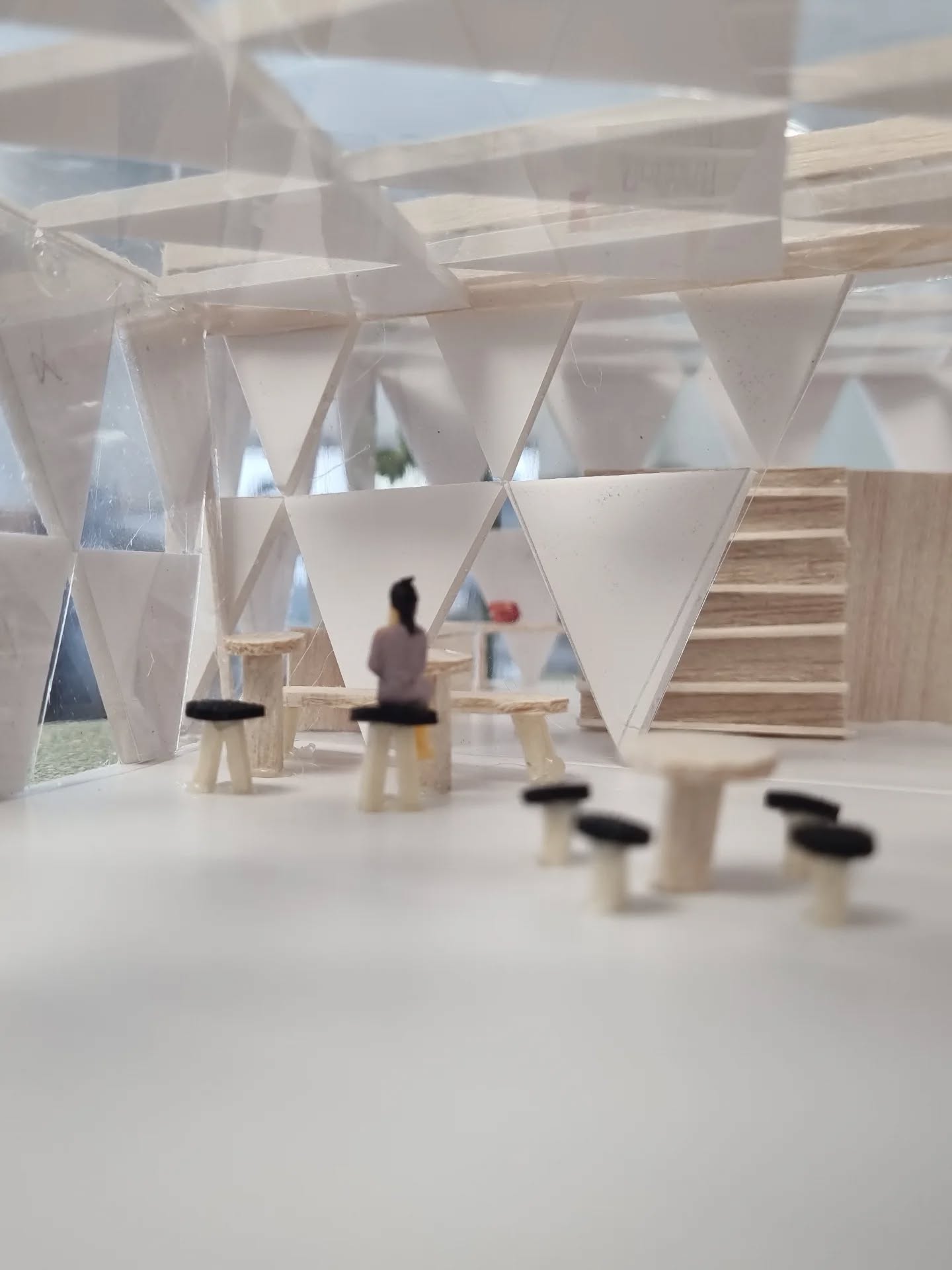 Scale model developed by students of the Architectural Technology program at the Universidad Tecnológica del Perú (UTP), Chiclayo campus, under the guidance of Professor Rubén Paredes.
(103.7 KB).
Scale model developed by students of the Architectural Technology program at the Universidad Tecnológica del Perú (UTP), Chiclayo campus, under the guidance of Professor Rubén Paredes.
(103.7 KB).
-
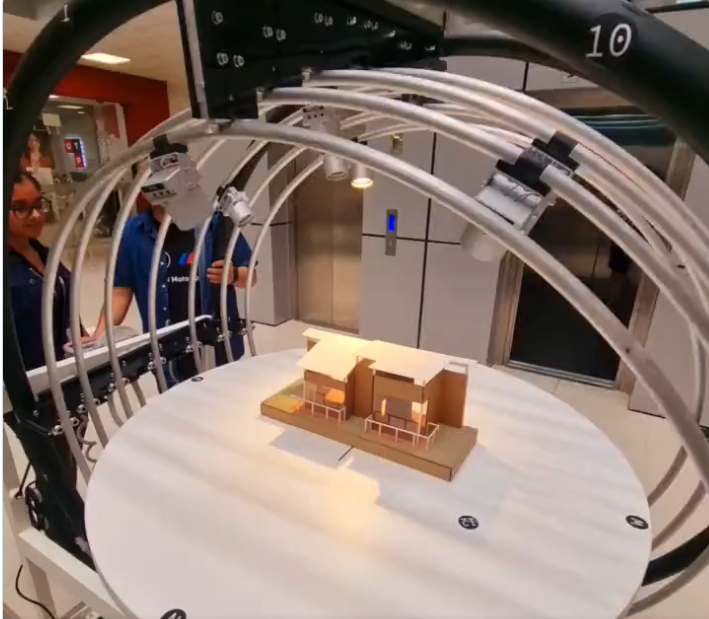 Scale model developed by students of the Architectural Technology program at the Universidad Tecnológica del Perú (UTP) in orchard Heliodon by Beta Nit, Chiclayo campus, under the guidance of Professor Rubén Paredes.
(772.0 KB).
Scale model developed by students of the Architectural Technology program at the Universidad Tecnológica del Perú (UTP) in orchard Heliodon by Beta Nit, Chiclayo campus, under the guidance of Professor Rubén Paredes.
(772.0 KB).
-
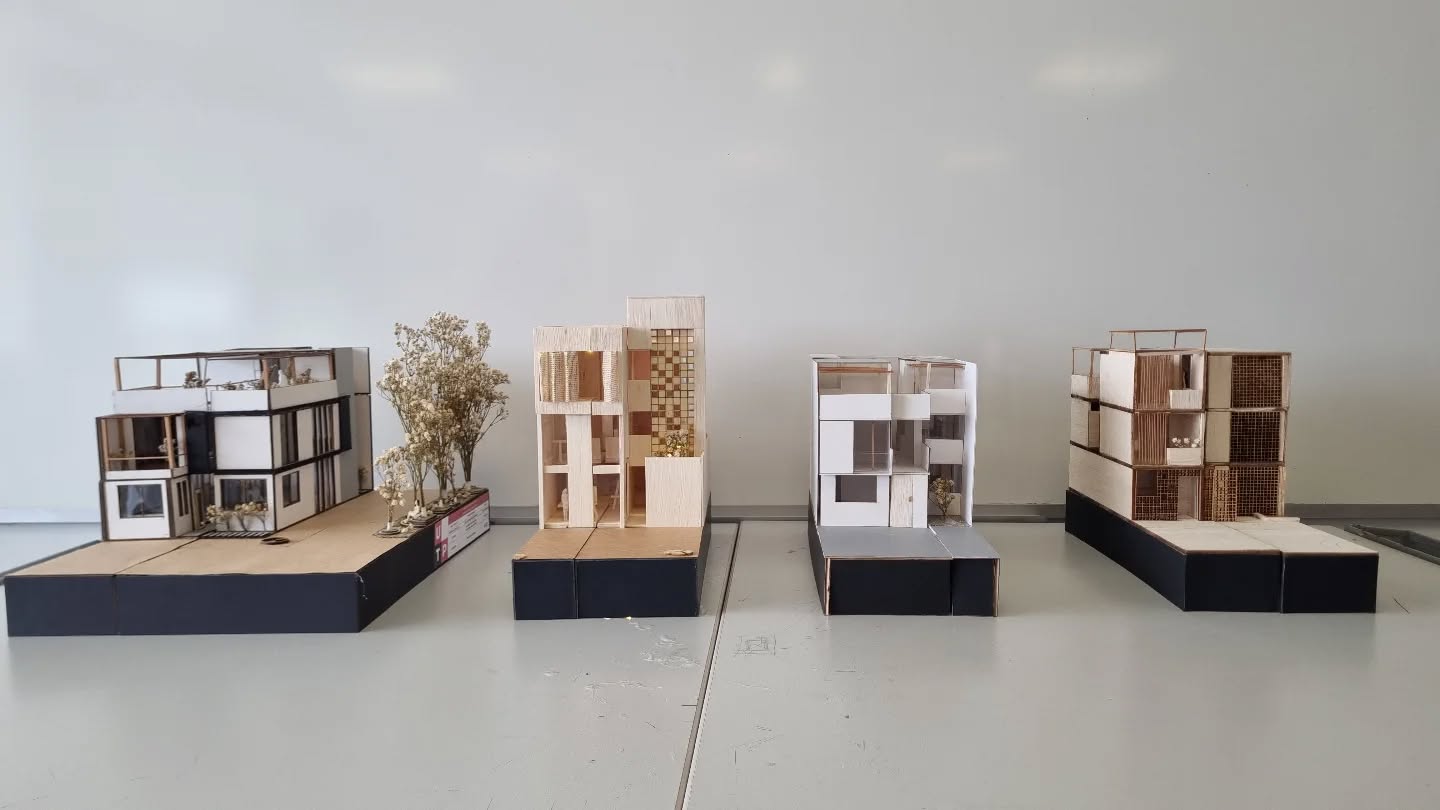 Scale model developed by students of the Architectural Technology program at the Universidad Tecnológica del Perú (UTP), Chiclayo campus, under the guidance of Professor Rubén Paredes.
(68.3 KB).
Scale model developed by students of the Architectural Technology program at the Universidad Tecnológica del Perú (UTP), Chiclayo campus, under the guidance of Professor Rubén Paredes.
(68.3 KB).
-
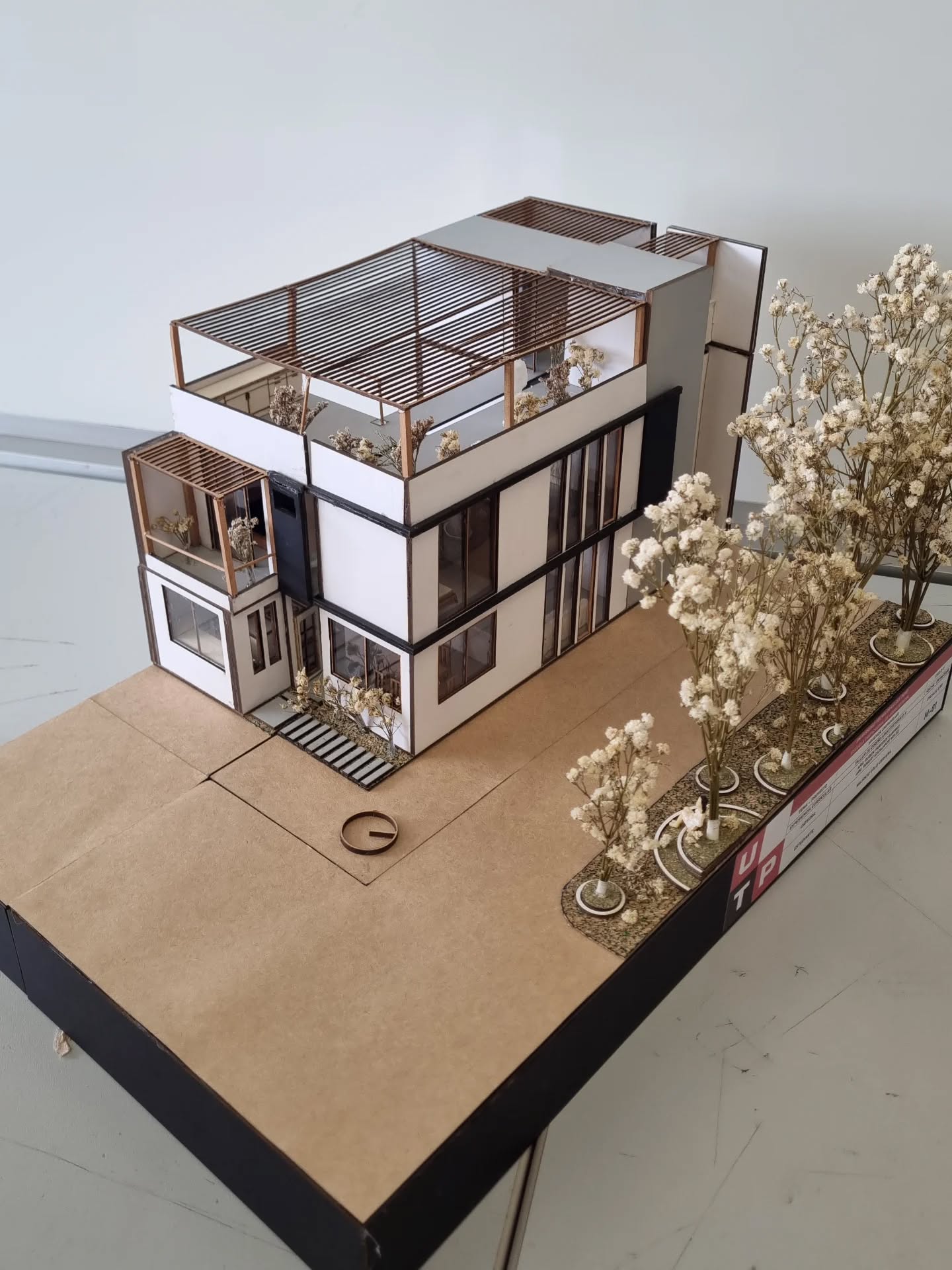 Scale model developed by students of the Architectural Technology program at the Universidad Tecnológica del Perú (UTP), Chiclayo campus, under the guidance of Professor Rubén Paredes.
(254.4 KB).
Scale model developed by students of the Architectural Technology program at the Universidad Tecnológica del Perú (UTP), Chiclayo campus, under the guidance of Professor Rubén Paredes.
(254.4 KB).
-
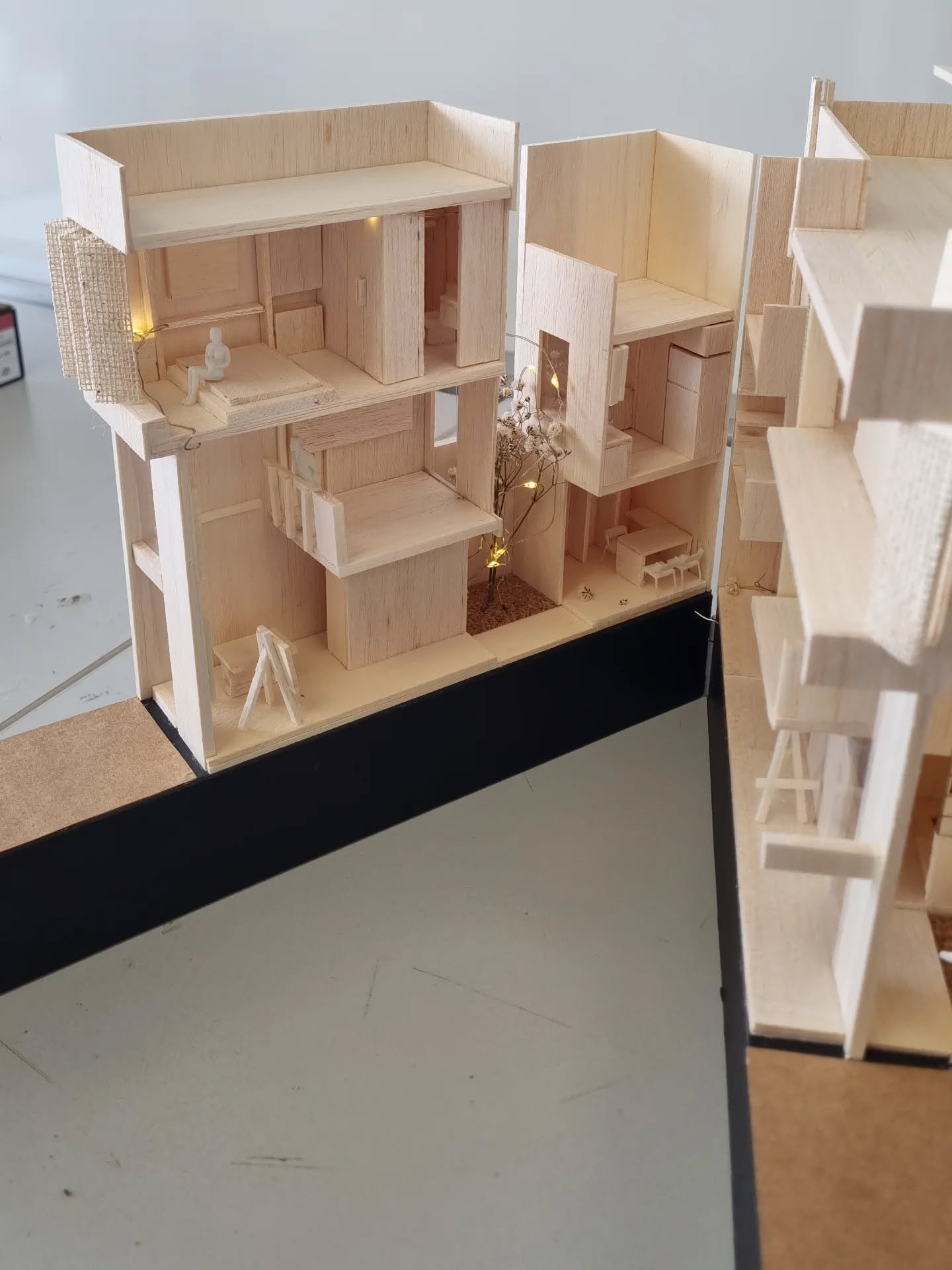 Scale model developed by students of the Architectural Technology program at the Universidad Tecnológica del Perú (UTP), Chiclayo campus, under the guidance of Professor Rubén Paredes.
(161.8 KB).
Scale model developed by students of the Architectural Technology program at the Universidad Tecnológica del Perú (UTP), Chiclayo campus, under the guidance of Professor Rubén Paredes.
(161.8 KB).
-
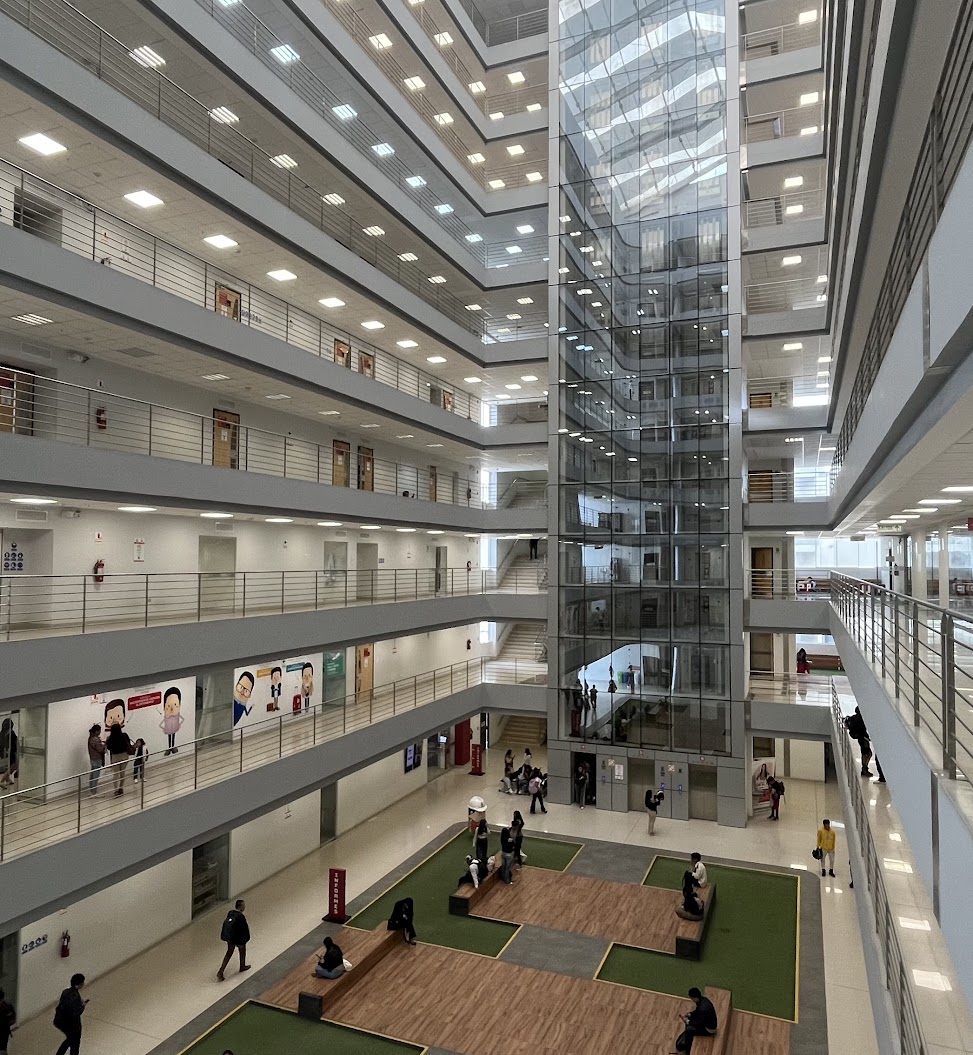 Universidad Tecnológica del Perú (UTP), Chiclayo campus.
(284.8 KB).
Universidad Tecnológica del Perú (UTP), Chiclayo campus.
(284.8 KB).
-
 Universidad Tecnológica del Perú (UTP), Chiclayo campus.
(34.1 KB).
Universidad Tecnológica del Perú (UTP), Chiclayo campus.
(34.1 KB).
Contact
betanit.com
Phone: +39 0523 650217
email: info@betanit.com
pragmatec.pe
Phone: +51.1.6866325
email: jgodier@pragmatec.pe